Court Orders Halt on River Panzara Construction Amidst Environmental Concerns
In an era where environmental considerations are increasingly coming to the fore, the National Green Tribunal (NGT) has once again taken a decisive stand. Construction activities along the River Panzara have been ordered to halt, following the tribunal's ruling that no construction should occur within the riverbed and the blue flood line.
The directive comes amid concerns that the ongoing developments could potentially exacerbate flooding risks and disrupt the local ecosystem. The NGT's April order had already imposed a stay on such activities, and the latest decision extends this directive until the next hearing scheduled for October 30, 2026.
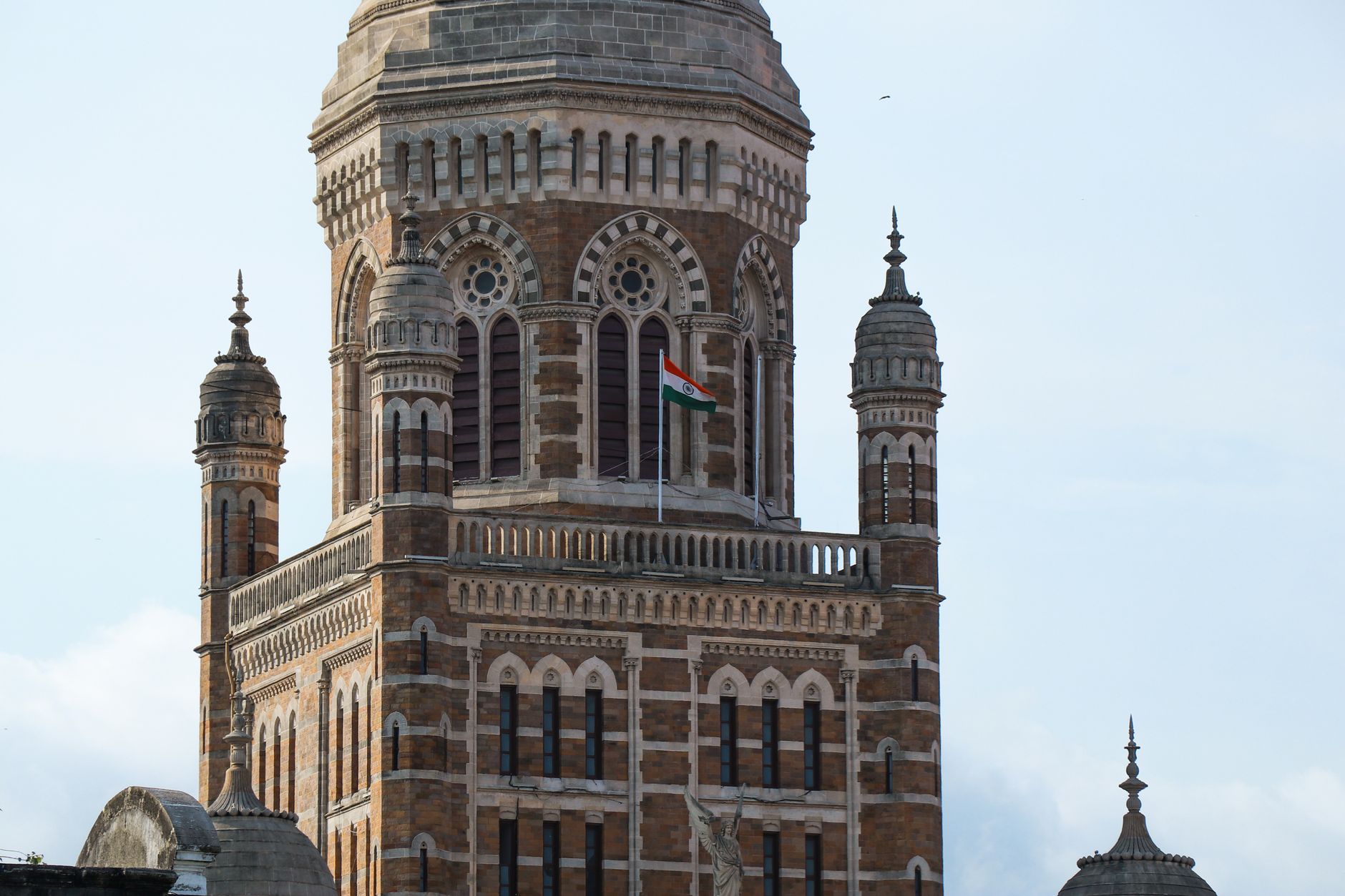
The Brihanmumbai Municipal Corporation (BMC) has been specifically instructed to submit a compliance report before the upcoming hearing. However, BMC's silence thus far has drawn attention, with the court noting its lack of response to previous directives.
The Broader Implications
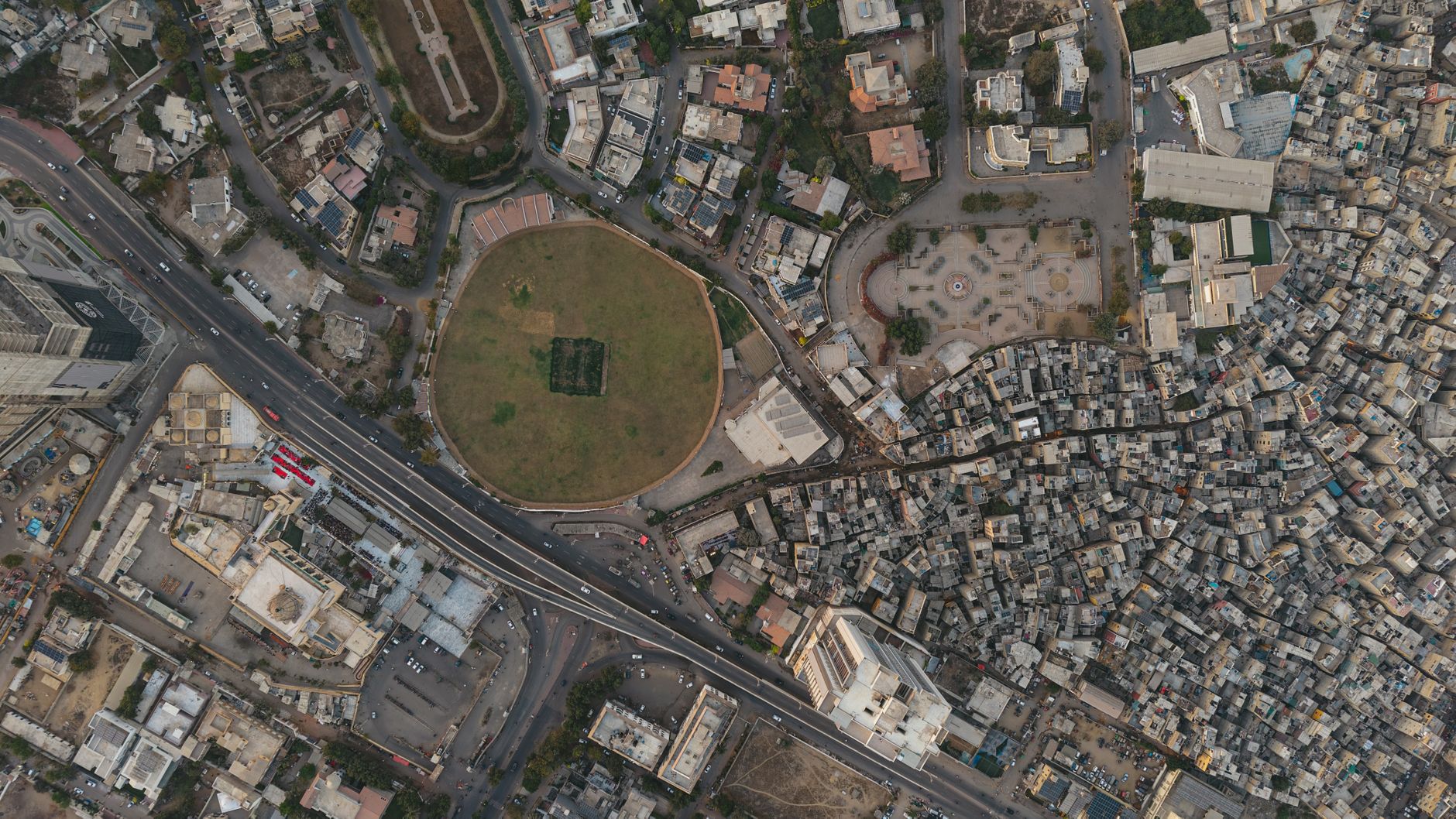
This ruling is emblematic of the broader challenges faced by urban India. As cities expand, the tension between development and environmental preservation becomes increasingly pronounced. The River Panzara case highlights the critical need for sustainable urban planning that respects natural boundaries.
The Public Works Department (PWD) in Dhule had filed an interim application seeking to vacate the NGT's order, citing developmental needs. However, the tribunal's decision underscores the precedence of environmental concerns over unchecked urban sprawl.
With major cities around the world grappling with environmental issues, the NGT's ruling serves as a reminder of the importance of judicial intervention in safeguarding natural resources.
Looking Ahead
As the next hearing approaches, stakeholders will closely watch how the BMC responds and whether it can align its developmental agenda with environmental mandates. The outcome could set a precedent for similar cases across India, as cities strive to balance growth with ecological stewardship.
Ultimately, this case may well become a touchstone for how India navigates the complex interplay between urbanisation and environmental protection in the coming years.