El Niño: Separating Climate Reality from Fearmongering
As the afternoon sun hung high in the sky, The Guardian's environment writers, Jonathan Watts and Gabrielle Canon, prepared to address a flurry of questions on a subject that has captured both scientific and public imagination: El Niño. With climate anomalies becoming the new norm, El Niño stands as a harbinger of the climatic shifts that experts warn might become routine.
El Niño, a climatic phenomenon known for disrupting global weather patterns, raises alarm bells every few years. It's not just the meteorological community that perks up; policymakers and the public are eager to understand its implications. During the Q&A session, Watts and Canon delved into the complexities that surround this naturally occurring event.
The questions came thick and fast. 'Are the warnings about El Niño all hype?' one participant asked, encapsulating a scepticism shared by many. Watts was quick to clarify, 'While it's important to avoid panic, the effects of El Niño cannot be understated. It's a preview of what unchecked climate change could hold for us.' His response highlights a crucial point: El Niño is not merely an isolated event but a window into our potential future.
Understanding the Impacts
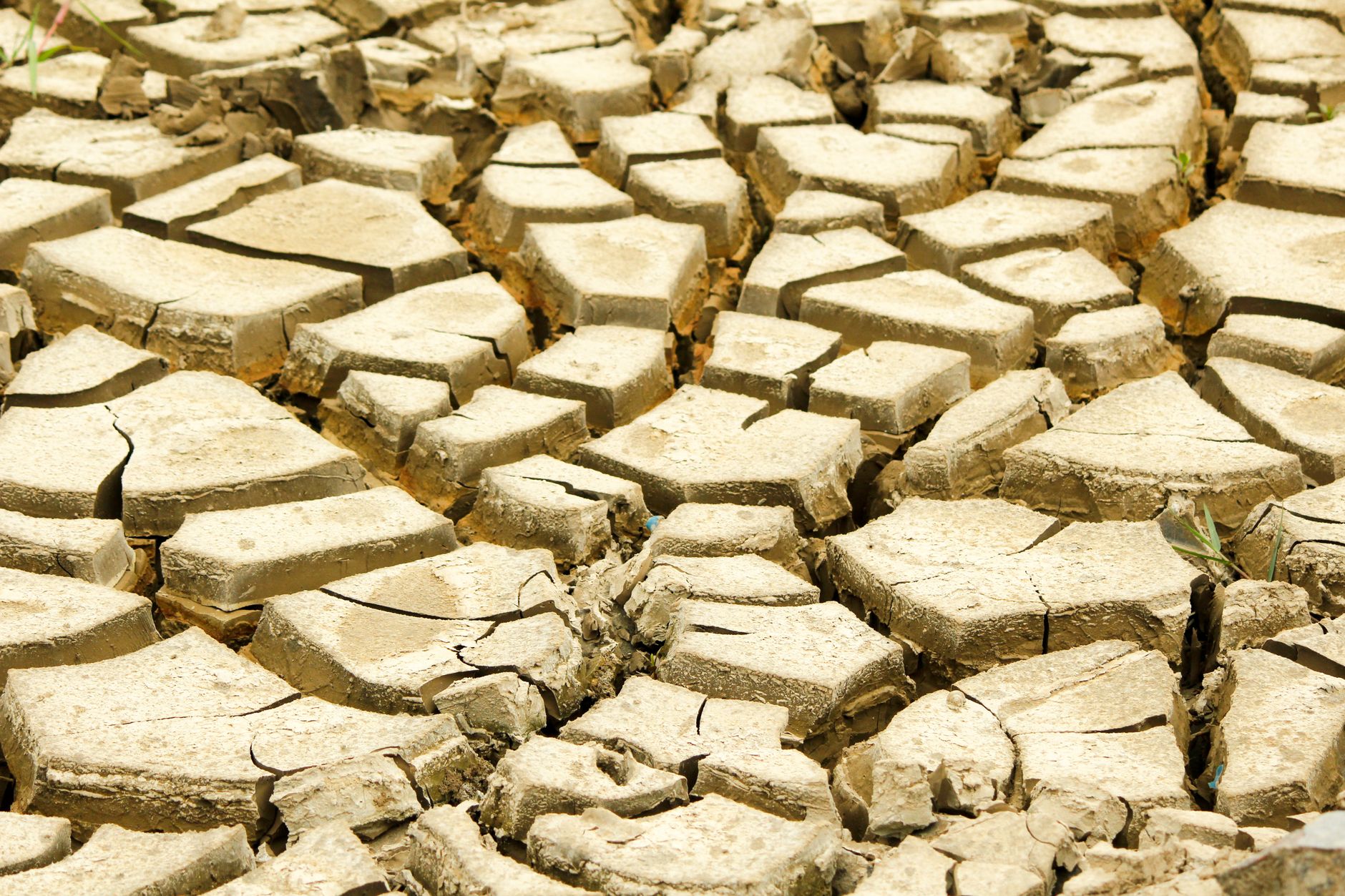
The impacts of El Niño are as varied as they are severe. Celeste Saulo, Secretary-General of the World Meteorological Organization, noted, 'A strong El Niño event would exacerbate drought and heavy rainfall, increasing the risk of heatwaves both on land and in the ocean.' It's a dual-edged sword, capable of wreaking havoc in multiple forms.
Particularly vulnerable are regions in the Southern Hemisphere, where winter has just ended. 'El Niño's influence on the just-concluded winter has been significant,' Canon pointed out. 'From unusual droughts to unexpected rainfall, the effects were palpable.'
Global Measures and Future Outlook
While the discussion painted a worrying picture, it also focused on solutions. 'We must act globally to mitigate these impacts,' Watts urged. 'International cooperation and adherence to climate accords are crucial.' The conversation underscored a pressing need for systemic changes, not just reactive measures.
As the session concluded, it became clear that El Niño is not merely a scientific curiosity but a pressing reminder of larger climatic challenges. The dialogue initiated by Watts and Canon serves as an essential tool for public education, aiming to transform scepticism into informed action.