El Niño Unveiled: Experts Address Public Concerns
In a virtual meeting room buzzing with anticipation, Jonathan Watts and Gabrielle Canon, The Guardian’s esteemed environment writers, sat poised to tackle the public's questions on the much-discussed El Niño phenomenon. As the digital clock struck 4pm BST, the floodgates opened.
The first question was direct: 'Are the warnings all hype?' Watts, with his trademark calm, explained that while there is often hyperbole in media narratives, the scientific community remains unequivocal about El Niño’s profound impact. 'It's not just a matter of weather – it’s a matter of survival for many,' he stated, underscoring the gravity of the situation.
Unravelling the Science
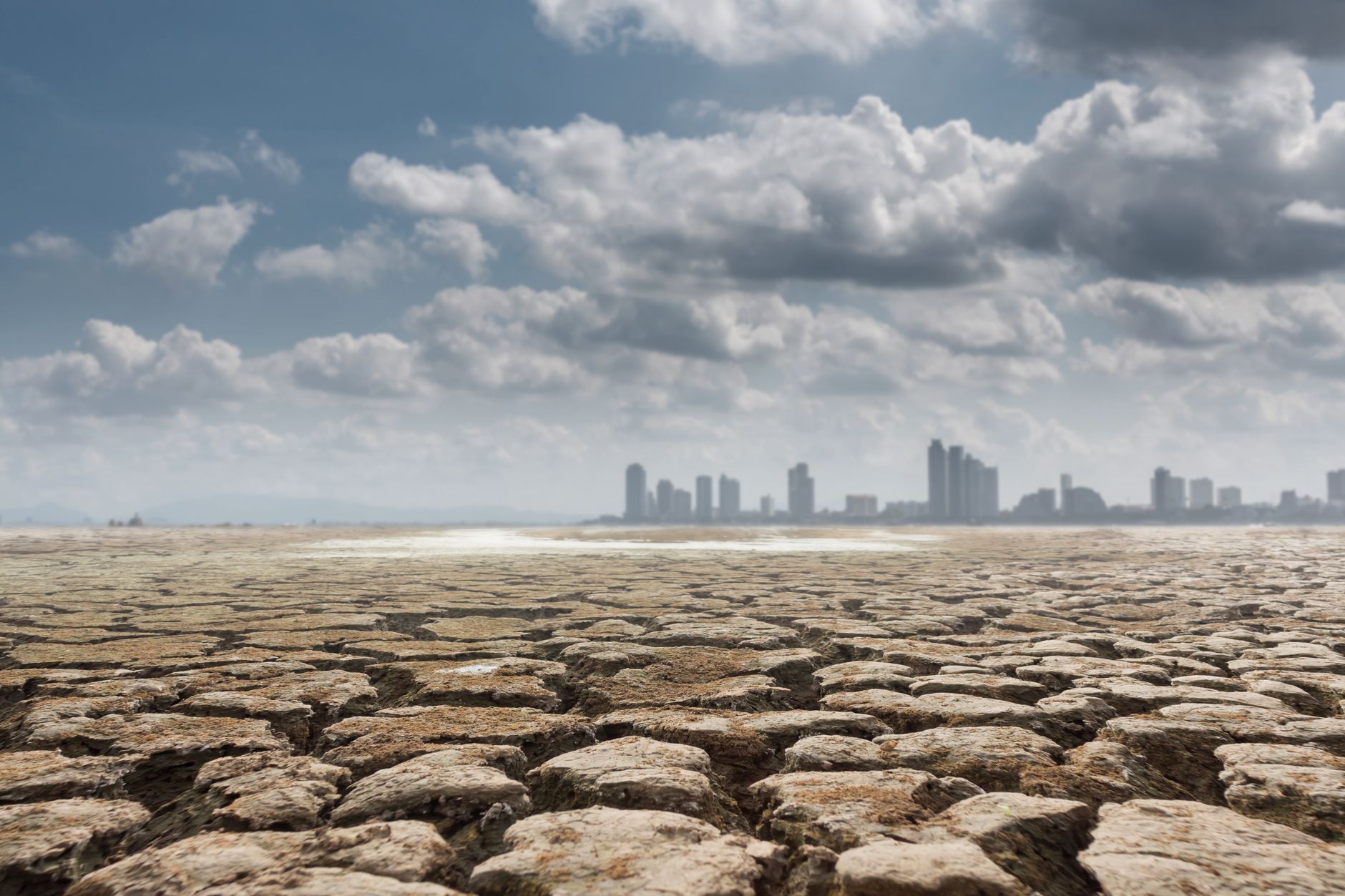
El Niño, characterised by the warming of ocean waters in the central and eastern tropical Pacific, can wreak havoc on global weather patterns. As Canon elaborated, 'During El Niño, the ocean transfers heat to the air, making it warmer. This can lead to droughts in some regions and heavy rainfall in others.' The World Meteorological Organization has already warned of exacerbated droughts and increased heatwaves.
In the Southern Hemisphere, where winter has just concluded, early signs of El Niño’s influence are already apparent. Parts of South America and Australia have reported unusual weather patterns, a harbinger of what the Northern Hemisphere might brace for in the coming months.
A Call for Preparedness
For those in agriculture, the stakes are particularly high. Crop failures due to unpredictable weather can lead to economic turmoil and food shortages. Canon urged vigilance and adaptation, emphasising the need for robust preparation. 'Farmers need to strategise ahead of time, considering crop varieties that can withstand the extremes,' she advised.
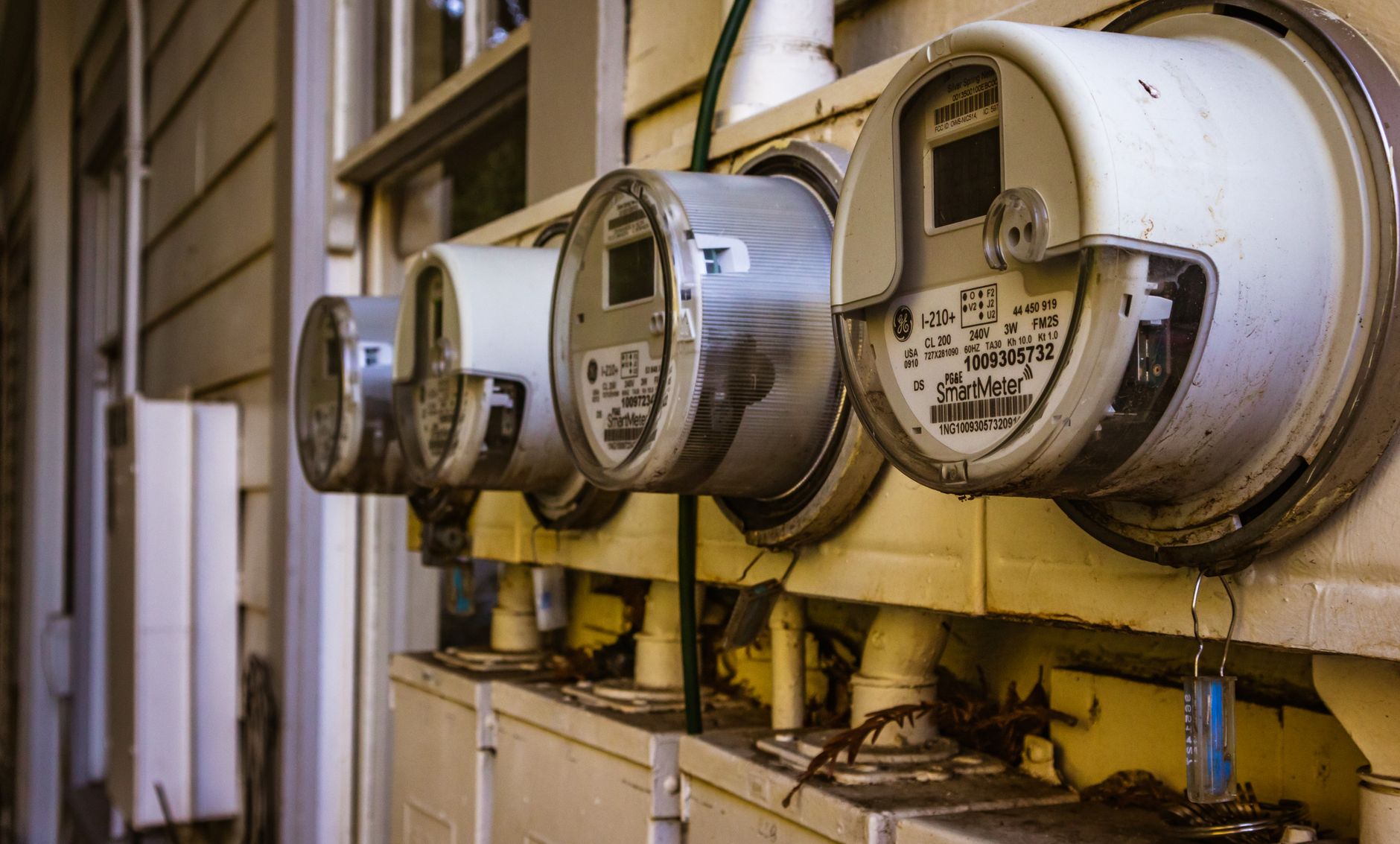
Beyond agriculture, the conversation turned to everyday life. Energy demands could spike as temperatures fluctuate, and infrastructure might be tested by storms and floods. Watts and Canon urged governments and communities alike to invest in resilience-building measures.
As the Q&A wound down, a sense of urgency lingered in the air. 'This is not about fearmongering,' Watts concluded, 'but about staying informed and prepared. The more we understand, the better equipped we are to face the challenges ahead.'