Green Approvals Demand Serious Enforcement, Not Leniency
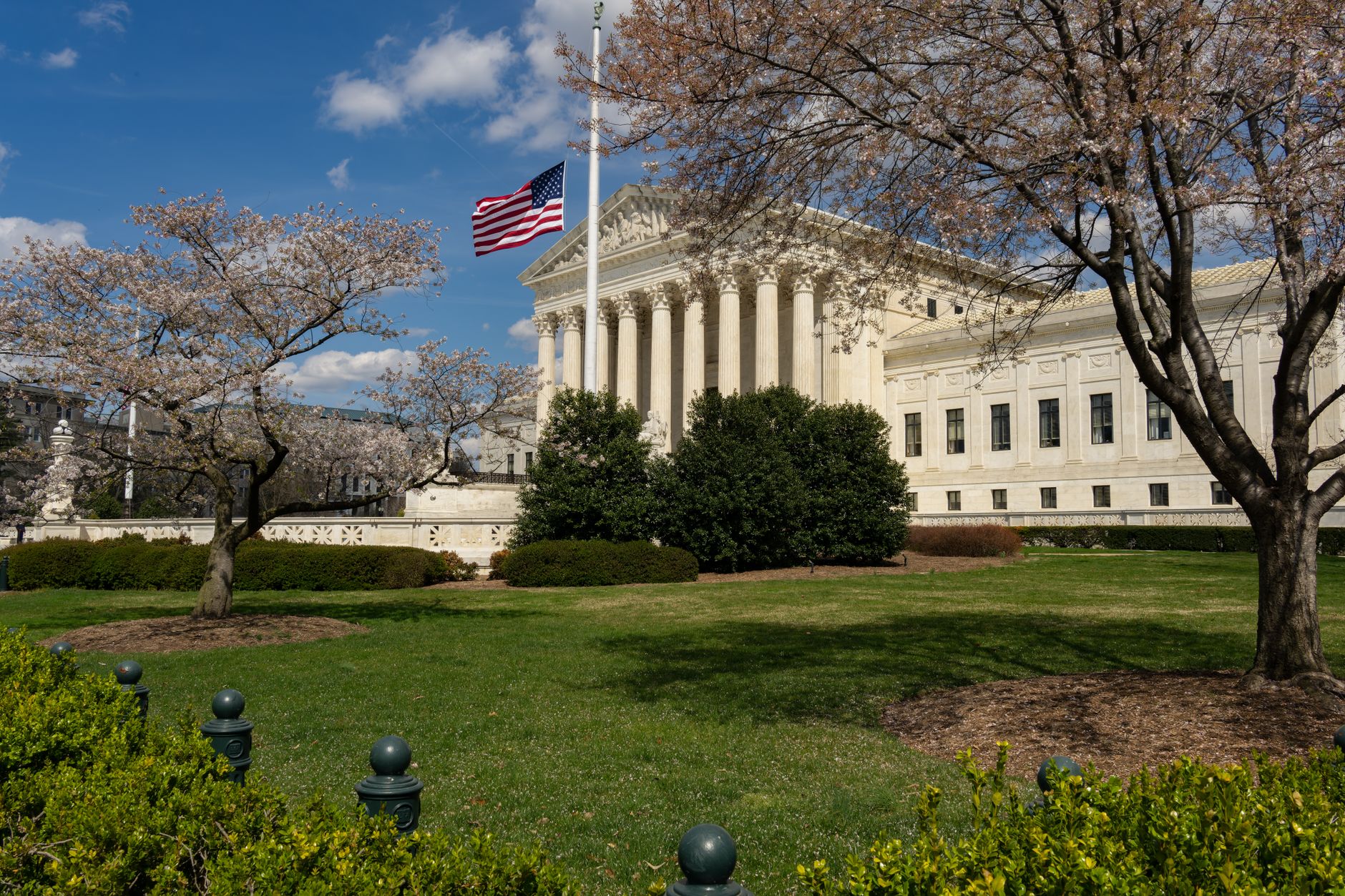
In a landmark decision that could reshape India's environmental governance, the Supreme Court has reiterated its stance against retrospective environmental clearances, challenging the leniency often afforded to violators of green norms. This marks a significant shift towards holding developers accountable, as the court dismantles the notion that environmental approvals are mere formalities.
For years, many developers have treated environmental clearances as procedural hurdles, often bypassing them with the confidence that ex-post facto approvals would be granted. However, the recent judicial pushback, particularly the striking down of the Centre’s 2017 notification and related office memorandum, signals a stricter regime.
Judicial Clarity
The Supreme Court’s decision to recall a previous judgment on retrospective clearances is nothing short of a clarion call for stringent enforcement. As the bench articulated, the concept of ex-post facto approval does not align with established environmental jurisprudence. This ruling is set to embolden regulatory bodies to enforce penalties more rigorously, moving away from the previously observed amnesty windows that allowed violators to escape with minimal repercussions.
While the law does provide for fines and even permanent project bans, enforcement has often been lacklustre. Developers have banked on the predictability of amnesties, undermining the very spirit of environmental protection. The court’s recent judgment aims to rectify this by reinforcing the legal and moral imperatives behind environmental clearances.
The Path Forward
The implications of this decision are far-reaching. It serves as a warning to developers that non-compliance will no longer be tolerated under the guise of procedural oversight. The judiciary’s insistence on treating green approvals as critical legal requirements highlights the importance of environmental protection in India’s development narrative.
As regulators and developers navigate this new terrain, it is imperative that they recognise the gravity of environmental stewardship. The Supreme Court's intervention is not just a legal mandate but a reminder that sustainable development should be at the heart of India’s progress.