Health Hazards of Menstrual Shelters for Tribal Women
In the heart of India's verdant tribal lands, a practice persists that poses a significant threat to the health of women. The Muthuvan tribe, like many others, adheres to a custom that mandates women to reside in a valaimpura during their menstrual cycle. This traditional menstrual hut is often anything but a sanctuary. Instead, it is a breeding ground for health risks, due to its unsanitary and insecure conditions.
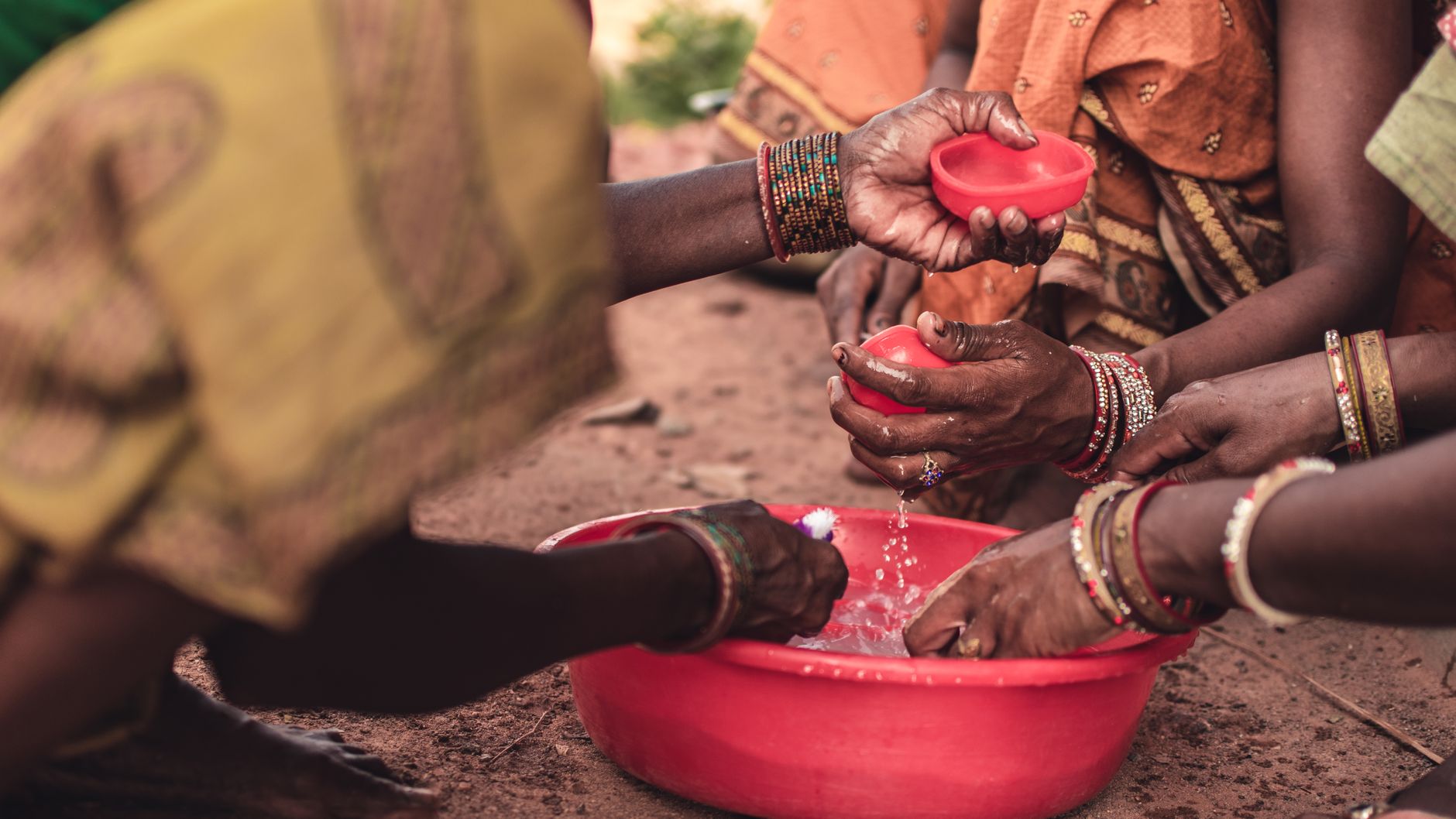
The valaimpura, meant to segregate women during their period, often lacks basic hygienic facilities. Women and girls are compelled to stay in these quarters for up to seven days, enduring not just the stigma but also the very real threat of infections. Lack of proper sanitation facilities and the use of old cloth as absorbents exacerbate the risks of gynaecological issues.
Tradition versus Health
In these remote regions, menstruation remains a taboo subject, cloaked in cultural and religious constraints. Such beliefs prevent open discussion and necessary education about menstrual hygiene. As a result, access to sanitary products is severely limited. This is compounded by economic hardships and the lack of local availability, forcing women to rely on makeshift solutions.
Efforts by NGOs and government initiatives aim to bridge this gap by providing sanitary products and education. However, progress is slow, hindered by deeply ingrained customs and logistical challenges. The situation calls for a nuanced approach that respects cultural sensibilities while prioritising health and dignity.
The Path Forward
The need for change is pressing. Improving the infrastructure of menstrual huts and ensuring access to sanitary products are vital steps. Additionally, educational programmes that promote menstrual health awareness can empower women and dismantle the taboos surrounding this natural process.
While tradition holds a significant place in tribal societies, it should not come at the cost of women's health. A balance must be struck, where cultural practices evolve to embrace health and human rights, ensuring that the women of India's tribal communities can lead healthier and more dignified lives.