Health Risks Loom Over Tribal Women in Unsanitary Menstrual Shelters
In the verdant hills of Kerala, nestled among the dense foliage, lies a troubling reality faced by the Muthuvan tribal women. Tradition dictates that during their menstrual cycle, they are banished to a makeshift hut known as a 'valaimpura'. While the practice has ancient roots, its implications are starkly modern: a health crisis waiting to happen.
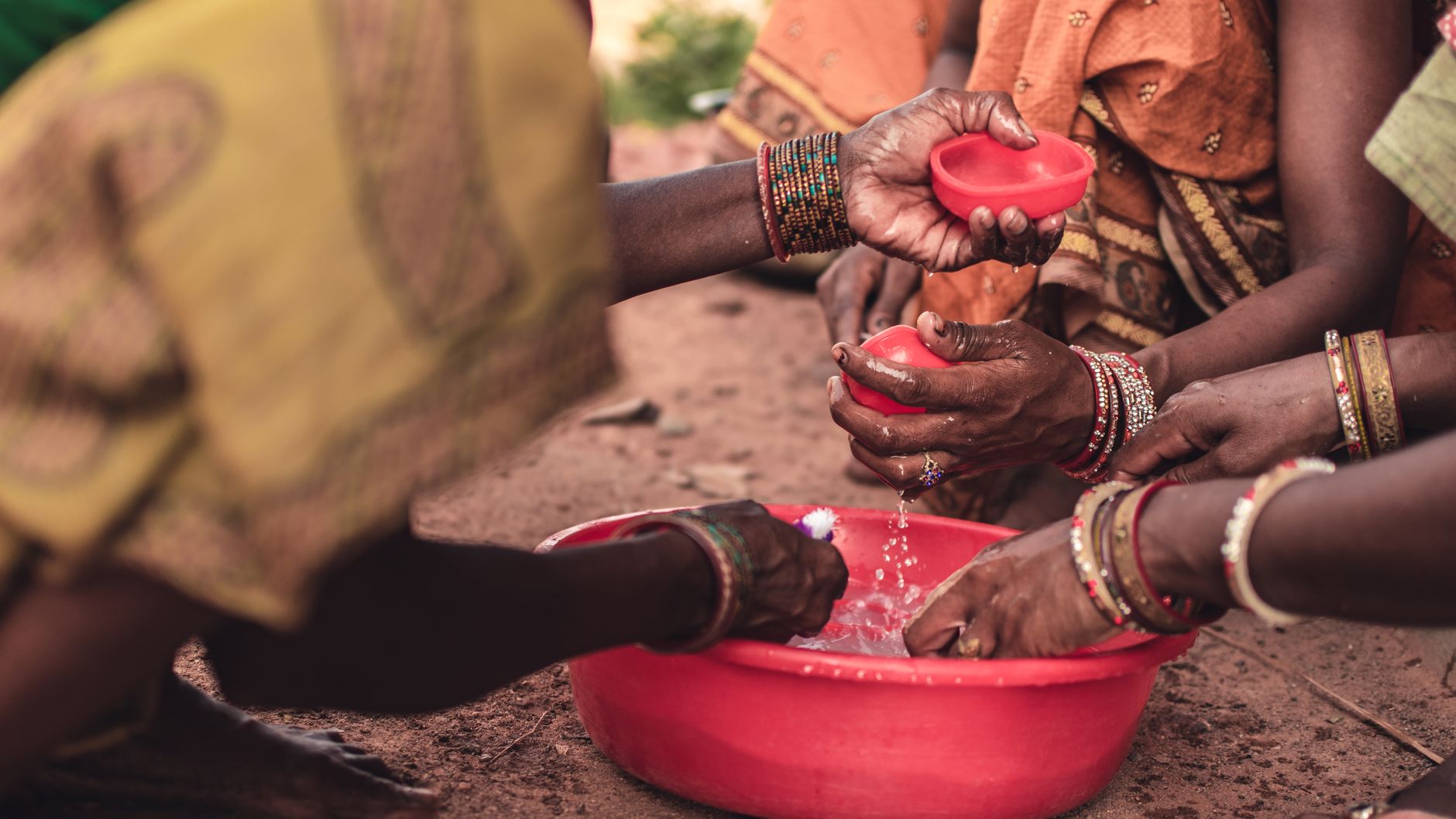
The 'valaimpura' is often little more than a ramshackle shelter, devoid of basic amenities. Without proper sanitation, these huts become breeding grounds for infection. The lack of clean water and sanitary products exacerbates the situation, potentially leading to severe gynaecological issues.
Cultural Constraints and Health Implications
Menstruation, a natural biological process, is still shrouded in secrecy and stigma across many societies. In the Muthuvan community, the cultural imperative to isolate women during their periods is both a rite of passage and a rite of exclusion. This seclusion, while intended to honour tradition, ironically endangers the very women it seeks to protect.
Beyond the immediate health risks, the psychological impact of this enforced isolation cannot be overlooked. Women and girls report feelings of shame and anxiety, further perpetuating the cycle of silence surrounding menstruation.
Barriers to Progress
Efforts to address these issues face significant hurdles. Economic limitations, coupled with a lack of awareness, hinder access to sanitary products. Moreover, the remote location of many tribal settlements means that even when resources are available, they are not easily accessible.
While NGOs and government initiatives strive to improve conditions, the deeply entrenched cultural beliefs present an ongoing challenge. Changing long-held traditions requires not only education but also a sensitive approach that respects cultural values while advocating for women's health.
As the world progresses, it is crucial that these communities are not left behind. Ensuring hygienic conditions for menstruating women is not merely a health issue but a human rights concern. The plight of the Muthuvan women serves as a poignant reminder of the work still needed to achieve menstrual equity, not just in India, but globally.