How Dental Implants Might Be Sabotaging Your Immune System
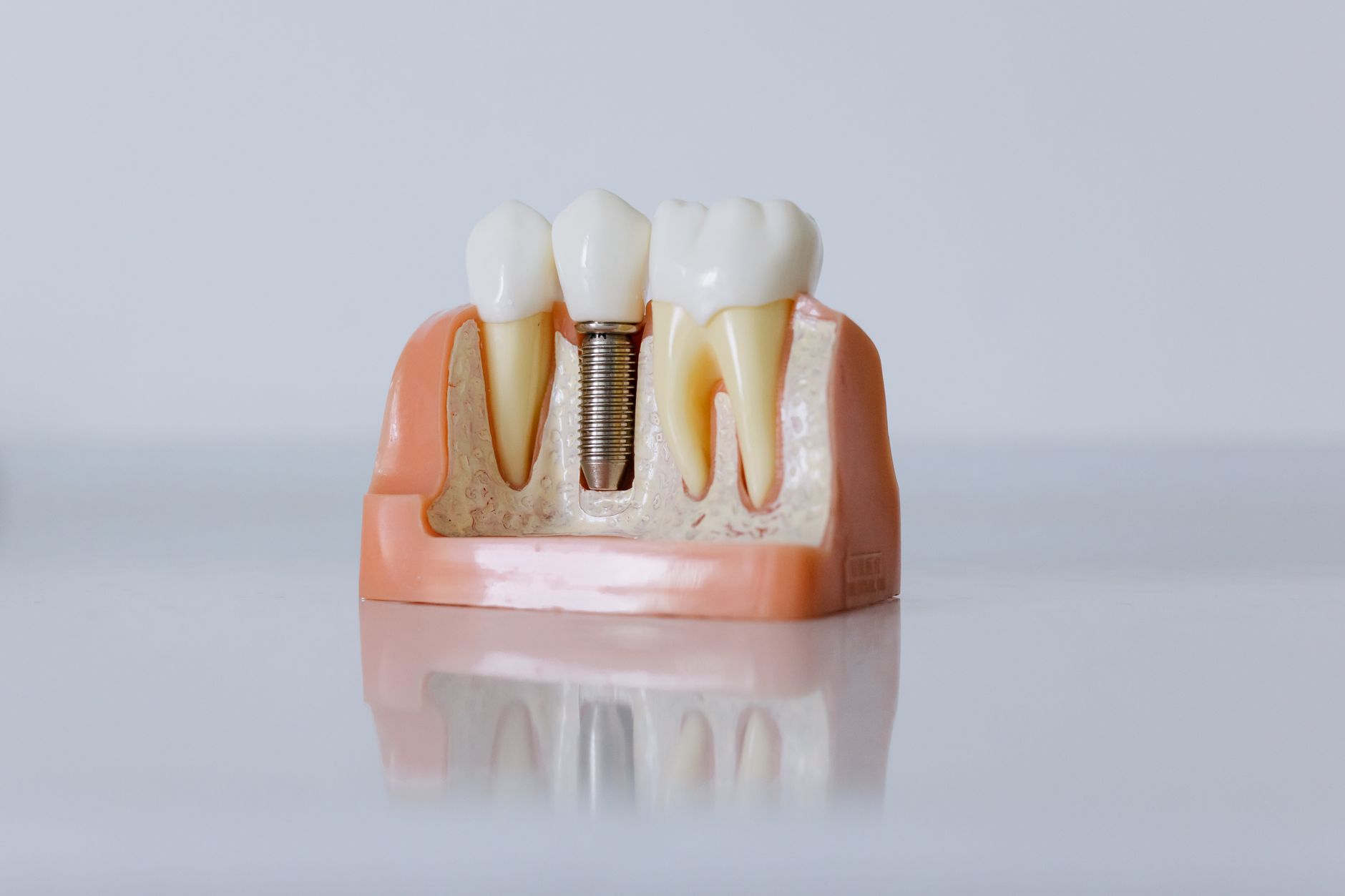
In a revelation that could reshape dental practices, scientists have discovered that dental implants may not be the inert fixtures we once believed them to be. Instead, they might be playing a more sinister role in undermining our immune system.
The culprit, it turns out, is not the implants themselves, but the microscopic titanium particles they release when they corrode. These particles, researchers found, have the uncanny ability to hijack immune cells, turning them from defenders to unwitting allies of bacterial invaders.
The Unseen Enemy
When dental implants corrode, they release titanium particles into the surrounding tissue. These tiny particles are drawn towards macrophages, the immune cells tasked with engulfing and destroying pathogens. However, once inside, the titanium particles disrupt the cells' function, significantly reducing their ability to fend off infections.
This disruption leads to a cascade of immune responses that can result in chronic inflammation and bone loss, a condition known as peri-implantitis. The inflammation not only causes discomfort but can also lead to the failure of the implant itself, a costly and painful problem for patients.
A Ray of Hope
Despite this grim prognosis, there is hope on the horizon. Researchers have identified a potential target for intervention: the TRPC1 pathway. By blocking this pathway, it may be possible to prevent the destructive immune response triggered by the titanium particles, offering a new avenue for treating peri-implantitis.
This discovery underscores the complexity of our immune system and the delicate balance it maintains with foreign objects introduced into the body. As scientists continue to unravel these interactions, the hope is to develop treatments that preserve the benefits of dental implants while mitigating their unintended consequences.