Rosetta's Cosmic Selfie from the Depths of Space
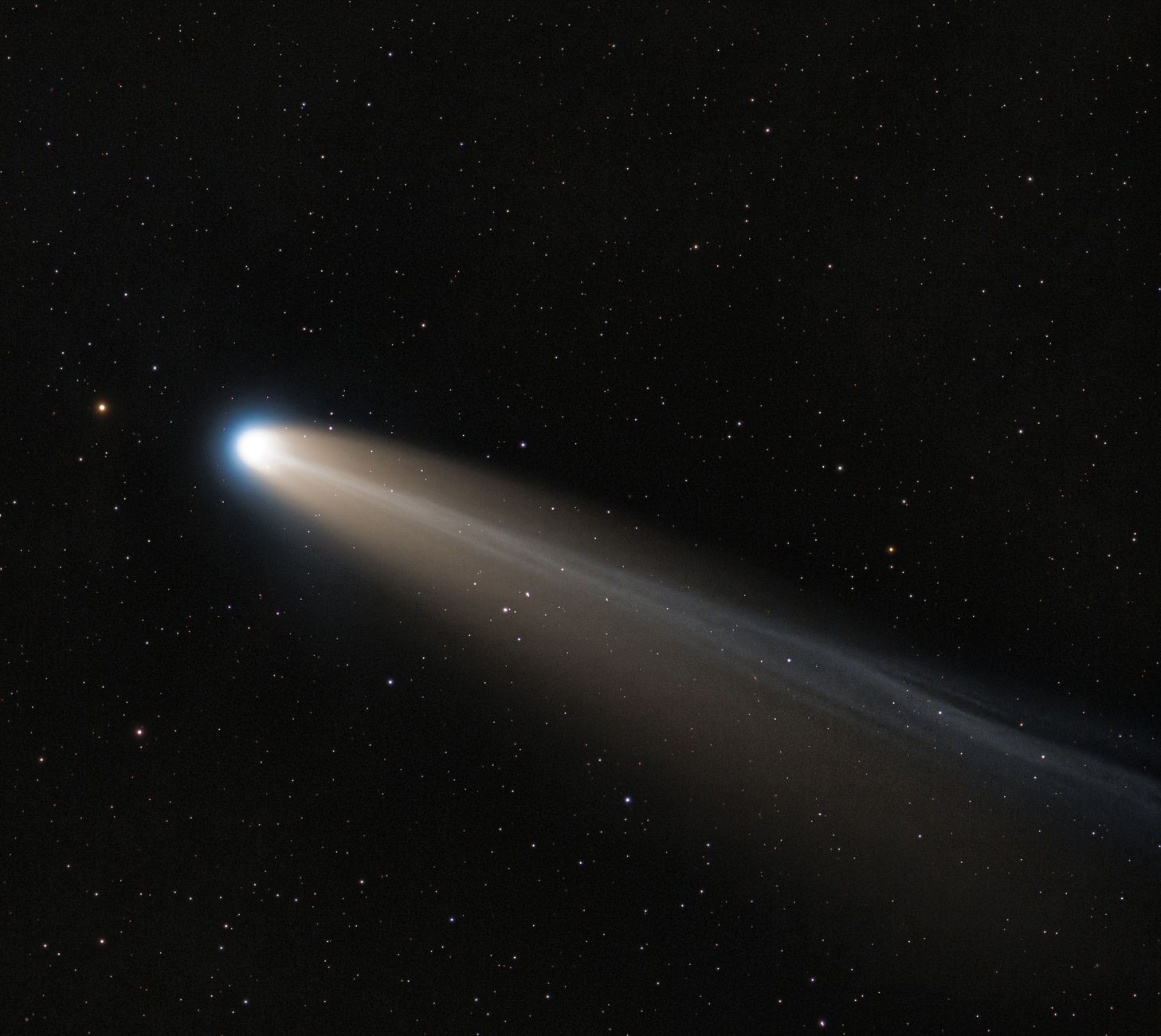
Amidst the vast stretches of the cosmos, the Rosetta spacecraft took a moment for an iconic 'selfie'—a snapshot not just of a machine, but of human ingenuity reaching out into the heavens. On 7th October 2014, Rosetta was positioned a mere 16 kilometres from the surface of comet 67P/Churyumov-Gerasimenko, a body that had fascinated astronomers for years.
In this image, recently showcased as the Astronomy Picture of the Day, the spacecraft captures itself against the backdrop of the comet's peculiar double-lobed nucleus. Dust and gas can be seen streaming away, illuminated by the distant Sun. It’s a scene that speaks to the silent yet dynamic dance of celestial bodies.
The Journey of Rosetta
Launched by the European Space Agency in March 2004, Rosetta's mission was to study the comet's composition and behaviour, offering insights into the primordial matter of the solar system. After a decade-long journey covering over 6 billion kilometres, the spacecraft finally reached its target, sending back invaluable data and images that continue to be analysed today.
The selfie is more than just a technical achievement; it is a testament to Rosetta's resilience and the meticulous planning of the scientists and engineers behind the mission. The image underscores the uncanny ability of human technology to not only traverse but also document these distant realms.
Why It Matters
Comets are considered time capsules containing the primitive material from which the solar system was formed. By studying them, scientists can glean insights into the early solar system's conditions. Rosetta’s close encounter with 67P/Churyumov-Gerasimenko has provided a wealth of information about the comet's structure, composition, and activity.
The selfie serves as a reminder of the mission's success in bringing us closer to understanding our cosmic origins. It also marks a significant achievement in space exploration, highlighting the potential for future missions that may delve even deeper into the mysteries of our universe.