HPV Immunisation: Shielding Adolescents from Future Health Risks
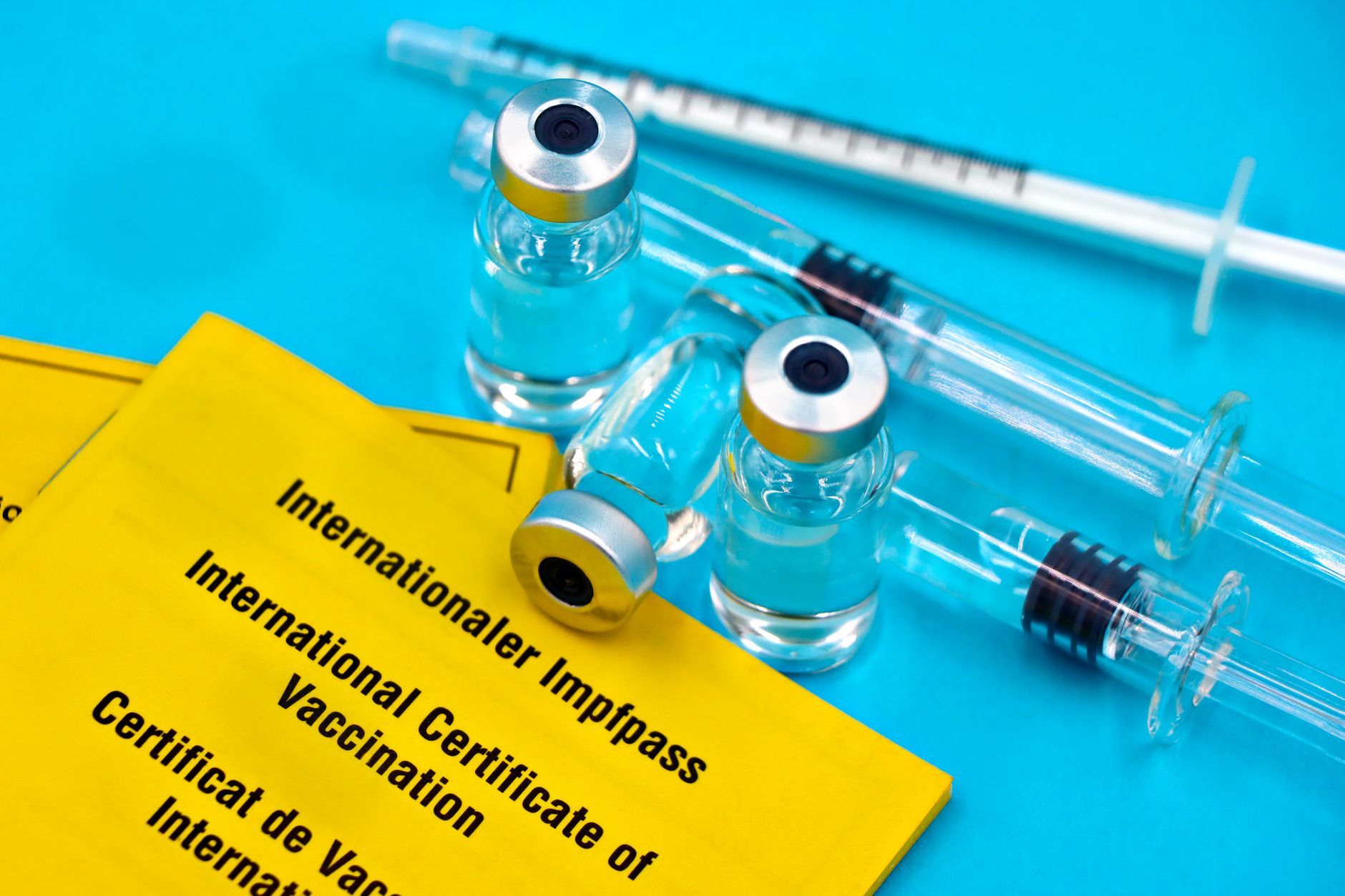
In a world where medical advances frequently make headlines, the HPV vaccine quietly stands as a stalwart guardian of adolescent health, offering protection against potential future malignancies. Human papillomavirus, commonly known as HPV, is a pervasive virus, often lying unnoticed until it manifests in the form of severe health conditions.
Most individuals infected with HPV remain blissfully unaware, as the virus tends to show no symptoms initially. However, this silent intruder can lead to cancers of the cervix, anus, and other areas if not managed properly. The vaccine, recommended for preteens aged 11 or 12, aims to curb this risk significantly by preventing the infections that could evolve into cancers over time.
Closing the Immunisation Gap
Despite the clear benefits, the uptake of the HPV vaccine remains disappointingly low. This reluctance can be attributed to a combination of factors, including misinformation, lack of awareness, and logistical barriers in accessing vaccination services. Health professionals stress the importance of education in dispelling myths and encouraging parents to vaccinate their children proactively.
In many developing countries, the dilemma of choosing between costly immunisation programmes and traditional screening methods persists. However, experts argue that vaccination offers a more robust, preventive measure than merely relying on screening, which can miss early-stage cancers.
A Future Without Fear
As the world continues to grapple with various health challenges, the HPV vaccine offers a beacon of hope. By immunising adolescents, we can envision a future where fewer individuals suffer from HPV-related cancers. The vaccine not only saves lives but also reduces healthcare costs in the long run, making it an investment worth pursuing.
Ultimately, the onus lies on governments, healthcare providers, and communities to prioritise HPV vaccination. Only through concerted efforts can we ensure that future generations remain free from the shadow of HPV-related diseases.