India's Ambitious Hepatitis Elimination Target for 2030
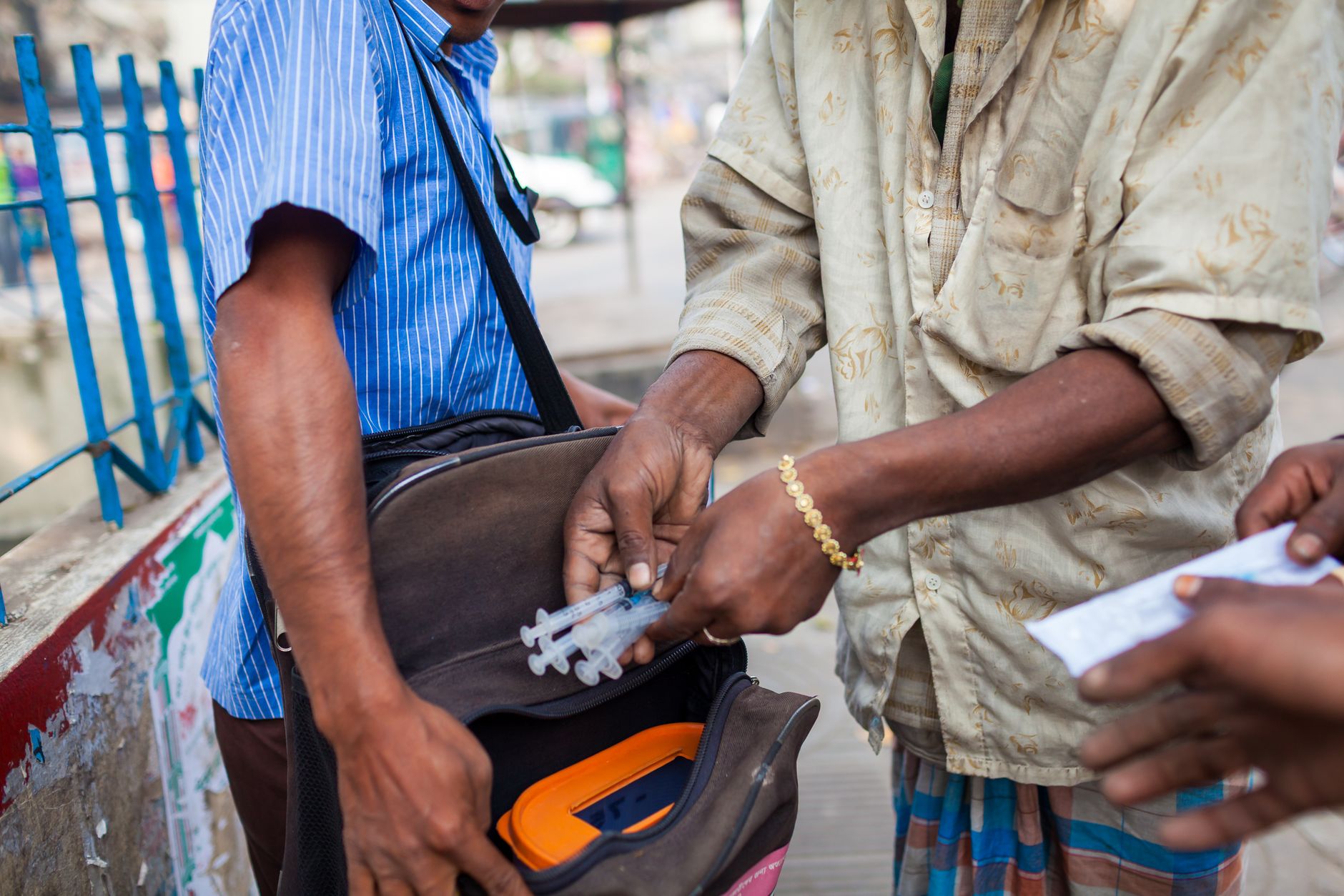
Amidst the cacophony of global health challenges, India has set its sights on a target that could alter the lives of millions: the elimination of Hepatitis B and C as public health threats by 2030. It's a bold aspiration, but one that is backed by a strategic approach focusing on prevention, screening, diagnosis, treatment, and care.
Hepatitis B, a virus preventable through vaccination, is already part of India's Universal Immunisation Programme. This public health initiative has been instrumental in reducing the incidence of the disease among newborns and young children. However, for Hepatitis C, which lacks a vaccine, the strategy leans heavily on effective antiviral treatments that are capable of curing the infection.
A Comprehensive Approach
The Indian government, through its National Viral Hepatitis Control Programme (NVHCP), has reiterated its commitment to this cause. This programme is designed not just to curb the transmission of these viruses, but also to provide care and support to those who are already affected. The inclusion of screening and diagnostic services is expected to facilitate early detection, which is crucial for treatment success.
Hepatitis B and C are often silent assailants, leading to chronic liver infections that can develop into cirrhosis or liver cancer if left untreated. The long-term consequences can be dire, including premature death. Therefore, the government's focus on education and awareness campaigns is pivotal. By enlightening the public about transmission risks and the importance of early medical intervention, India hopes to make strides in public health improvement.
Implications for the Future
While the task is daunting, the potential benefits are immense. Achieving this target would not only alleviate the burden on healthcare systems but also improve life expectancy and quality of life for many. Moreover, it would set a precedent for other nations grappling with similar public health issues.
As we edge closer to 2030, the success of this initiative will depend largely on continued political will, adequate funding, and the active participation of healthcare providers and the community. If India succeeds, it will have turned a formidable challenge into a public health triumph, providing a blueprint for others to follow.