Intel's Uncommon Alliance with RosaicLabs: A Strategic Bet on Chip Innovation
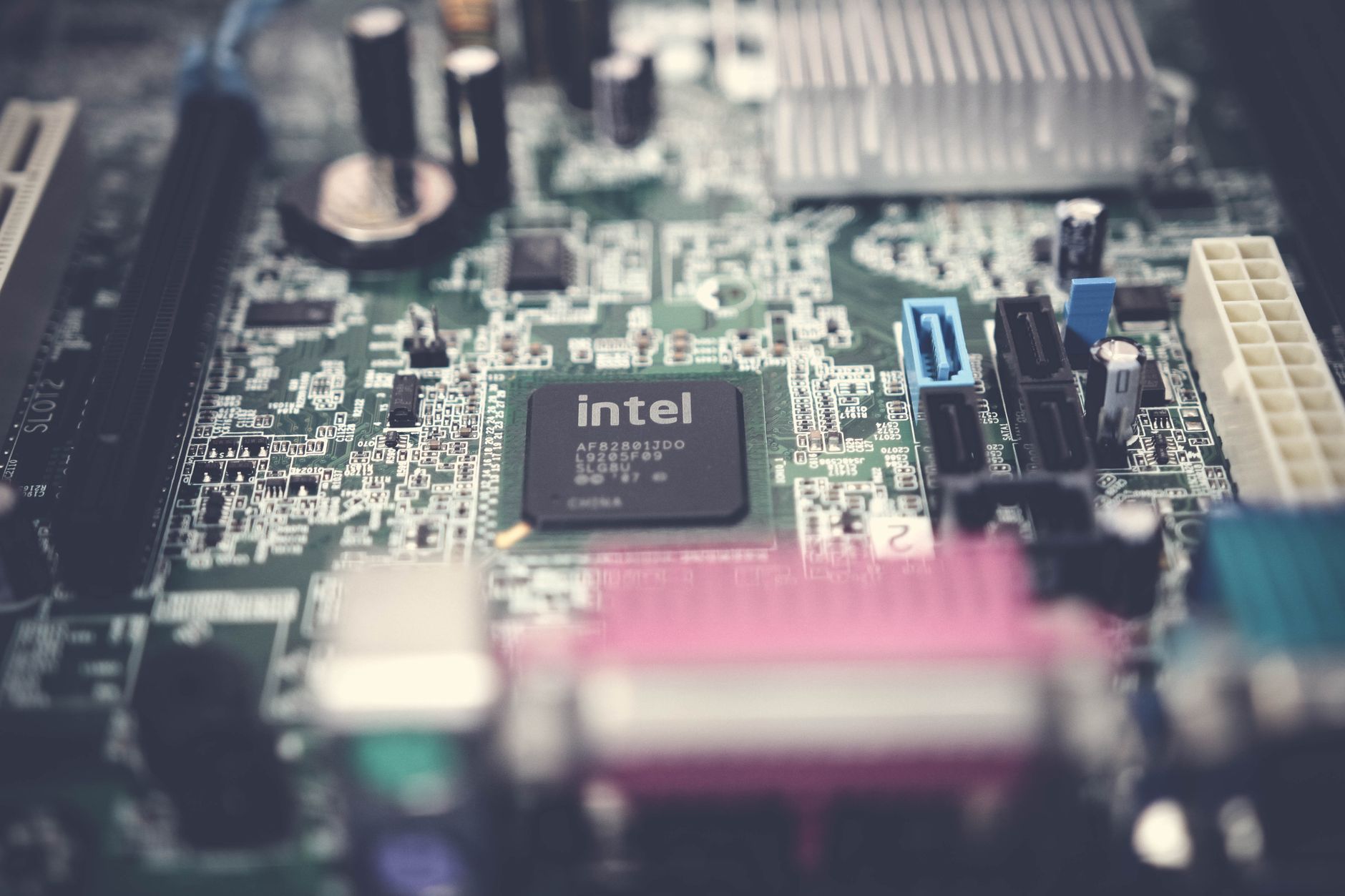
In a development that has caught the attention of the technology sector, Intel has chosen to share its Atom processor technology with a fledgling startup, RosaicLabs. The decision is unconventional for the American chip giant, known for guarding its technological assets. Yet, the allure of the startup's potential seems to have swayed Intel's hand.
At the helm of RosaicLabs is Lip-Bu Tan, a seasoned venture capitalist with a keen eye for promising ventures, and Amarjit Gill, both of whom have a history of co-investment. This relationship appears to have played a pivotal role in securing the deal, a rarity in Intel's operational playbook.
The Strategic Implications
The implications of this partnership are manifold. By allowing access to its Atom technology, Intel signals a shift towards embracing collaborative innovation, a move that can be seen as a strategic response to the rapidly evolving semiconductor industry. The partnership could pave the way for RosaicLabs to develop custom chips that might cater to niche markets, thereby expanding Intel's reach indirectly.
Industry analysts suggest that this collaboration could be a harbinger of more such synergies, as traditional tech behemoths seek to stay ahead in a competitive landscape. It's a calculated risk, but one that could yield significant dividends if RosaicLabs manages to deliver on its potential.
An Eye on the Future
While the specifics of the agreement remain under wraps, the broader message is clear: Intel is willing to experiment. By backing RosaicLabs, Intel not only gains a stake in next-generation chip technology but also aligns itself with a new wave of innovation driven by smaller, agile companies.
This move may prompt other industry giants to reconsider their strategies and explore similar partnerships. If successful, it could redefine the dynamics of technology development, where collaboration becomes the key to innovation.