Invasive Species Wreak Havoc in the Global South, Study Reveals
In the lush landscapes of the Global South, a silent invasion is unfolding, one that threatens to unravel the delicate tapestry of local ecosystems. A new study has brought to light how invasive species are inflicting significantly more harm on these regions compared to their wealthier counterparts in the Global North.
The research, hailed as one of the most comprehensive of its kind, has revealed a stark environmental injustice. It mirrors the broader chasm in economic and resource availability between the world's affluent and poorer nations. The scientists behind the study argue that while invasive species are a global problem, their impact is acutely felt where resources to manage and mitigate such threats are sparse.
The Scale of the Problem
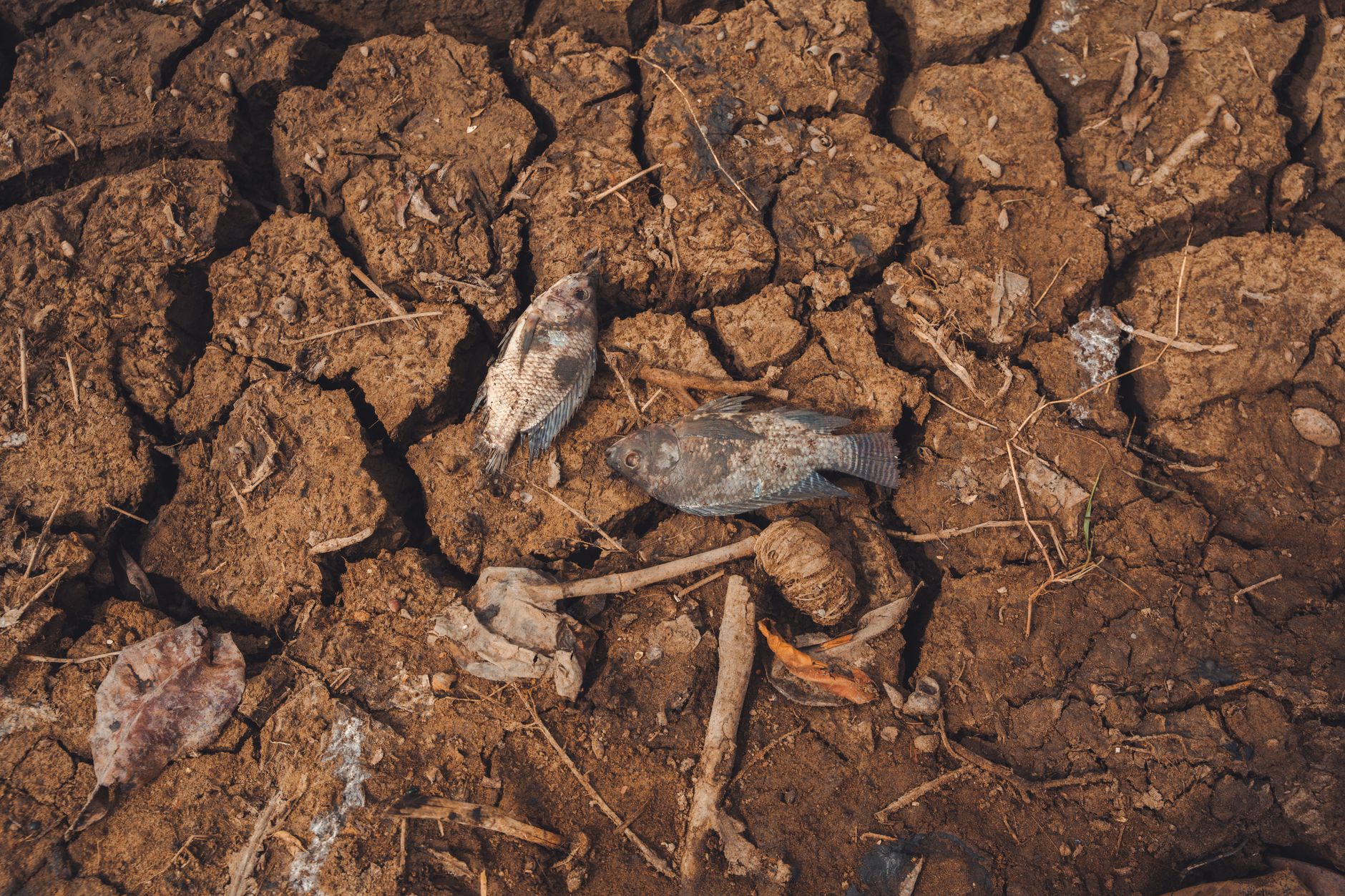
From water hyacinths clogging waterways in Africa to non-native plant species outcompeting indigenous flora in South America, the examples are manifold. In many parts of the Global South, these invasive species overrun local environments, leading to biodiversity loss and disruption of vital ecosystems. This not only exacerbates environmental challenges but also threatens the livelihoods of communities that rely on these ecosystems for their survival.
Consider the situation in Florida, where over 1,300 out of 4,000 plant species are non-native. The state's experience serves as a cautionary tale, underscoring how invasive plants can swiftly dominate an ecosystem, pushing native species to the brink. However, unlike Florida, many regions in the Global South lack the infrastructure and funding to combat such invasions effectively.
Beyond Environmental Impact
The implications extend beyond environmental degradation. As ecosystems are destabilised, the communities that depend on them face increased economic hardship. The study highlights how this phenomenon is a microcosm of larger global inequalities, where wealthier nations are better equipped to shield themselves from such ecological threats.
Addressing this imbalance requires international cooperation and support. Richer nations must step up to assist poorer regions in developing comprehensive strategies to manage invasive species. Failure to do so not only perpetuates environmental injustice but also risks global ecological stability.
In the end, the study serves as a wake-up call. It demands a rethinking of how global resources are allocated to tackle environmental issues that do not recognise borders, yet respect socio-economic divides.