Lifeline Afloat: Healthcare Reaches Assam's Isolated Isles
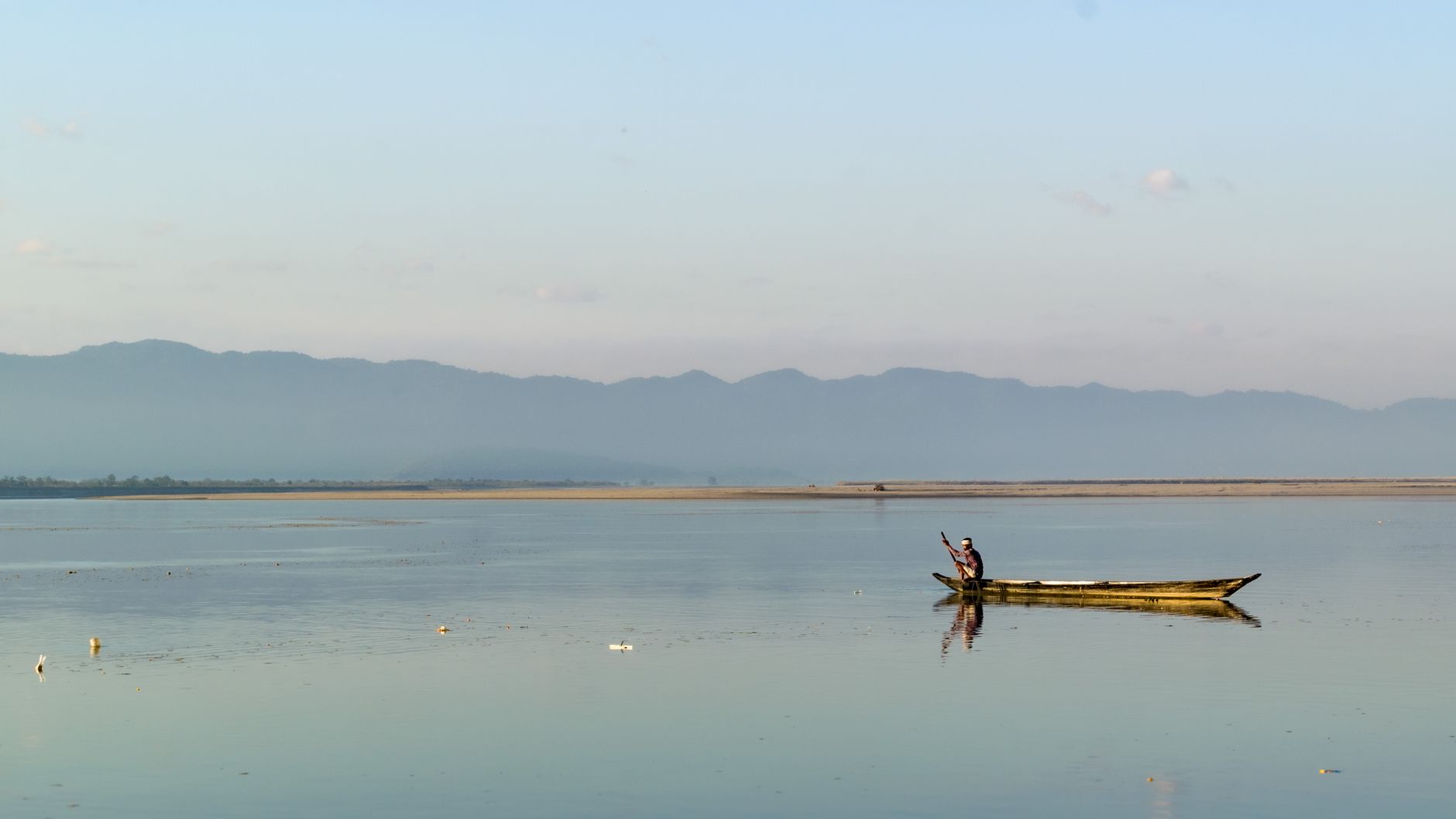
Amidst the swirling currents of the mighty Brahmaputra, a unique fleet of healthcare vessels navigates its way to some of India's most isolated communities. These mobile boat clinics are not merely a means of transportation but a lifeline for the thousands living on Assam's remote river islands, known locally as 'chars'.
For many inhabitants of these flood-prone areas, access to basic healthcare has long been a distant dream. The geographical challenges, compounded by frequent floods, have historically left these communities without adequate medical attention. Yet, the introduction of mobile boat clinics by the Centre for North East Studies and Policy Research (C-NES), in collaboration with the National Rural Health Mission, is gradually turning the tide.
A Revolutionary Approach
Each clinic boat is equipped with two medical beds, a mobile X-ray unit, a small pathological laboratory, and an oxygen cylinder, all working in tandem to provide comprehensive medical care. The initiative, which began in 2005, has since reached over eight lakh patients.
The clinics operate with a dedicated team of doctors, nurses, and technicians, who brave the river's treacherous paths to bring healthcare to the doorstep of those in need. For many residents, this service represents the first reliable medical attention they've ever received.
Impact Beyond Numbers
While the statistics are impressive, the true impact of these clinics lies in the lives transformed and the hope restored. The arrival of a boat clinic like 'Akha' is often a community event, drawing crowds eager for consultations, medicines, and sometimes just a comforting assurance.
Local resident, Sita Das, expressed her relief, "Before the boat clinics, reaching a hospital meant a day's journey and a hefty cost. Now, healthcare comes to us."
Such initiatives highlight an essential lesson in public health: innovation and adaptability can overcome even the most daunting obstacles. As climate change continues to exacerbate flooding in the region, the role of these clinics becomes ever more critical.
This unique approach is not just a stopgap but a blueprint for other isolated regions globally where traditional healthcare delivery methods falter. It underscores the potential for tailored solutions to meet the unique challenges posed by geography and climate.