Mangrove Restoration: A Lucrative Venture Leaving Locals Behind
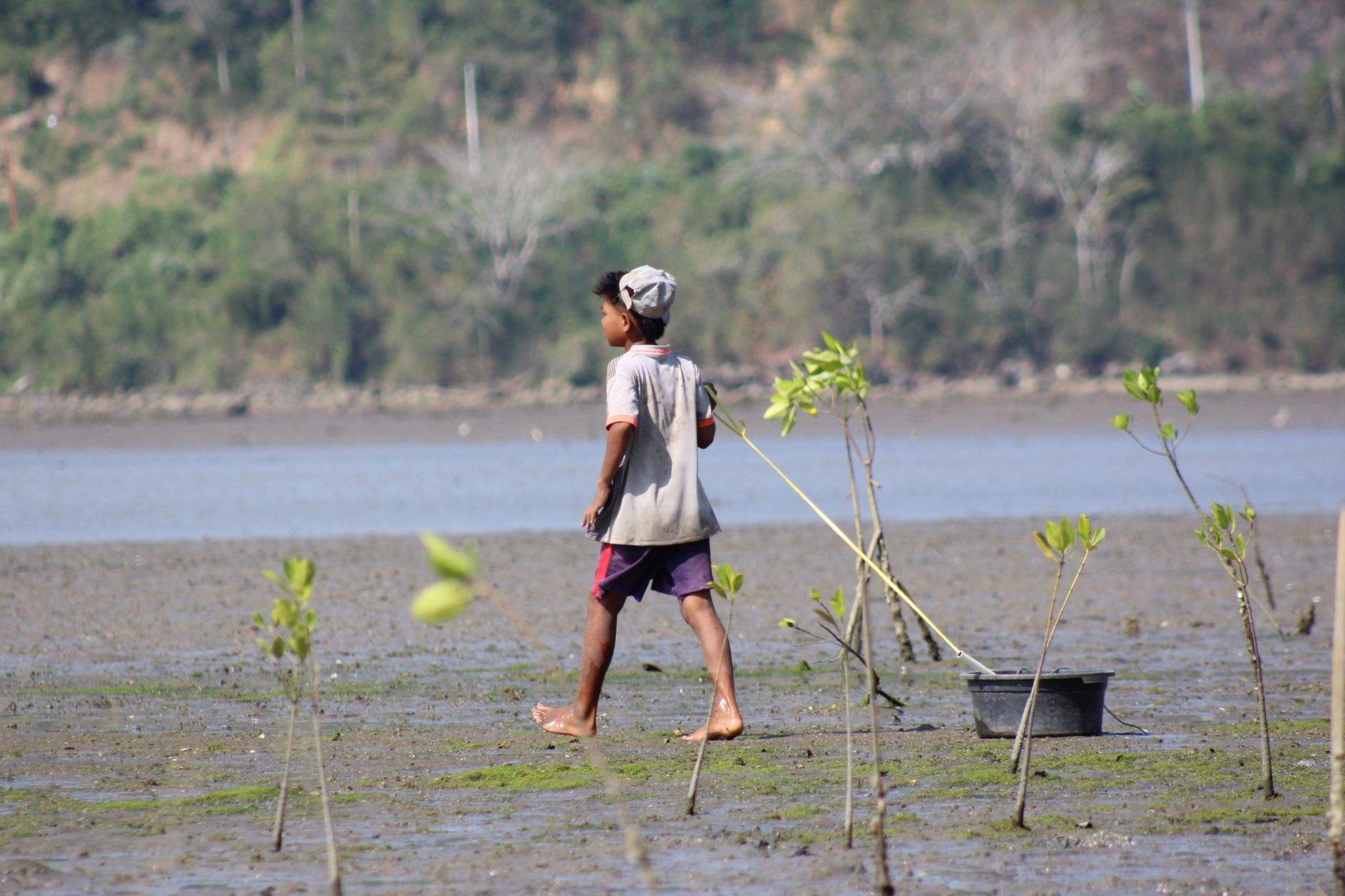
In the remote stretches of Pakistan's Indus delta, a vast 350,000-hectare mangrove project is quietly transforming the landscape. Not through the usual markers of development like roads or schools, but through the burgeoning market of carbon credits. Companies from across the globe are snapping up these credits, ostensibly to offset their carbon footprints. Yet, as the profits flow, the question remains: what trickles down to the local communities?
Mangrove restoration has become big business, and like any thriving market, it creates jobs, contracts, and training opportunities. However, the benefits often dissipate through a chain of intermediaries — verifiers, brokers, aggregators, and certifiers — each taking a slice before anything reaches the villages they promise to uplift.
The Carbon Credit Conundrum
The allure of carbon credits is undeniable. For corporations seeking to bolster their green credentials, they offer a convenient solution. The reality on the ground, however, is less rosy. For the villagers living alongside these mangroves, the much-vaunted benefits often fail to materialise. Instead of new schools or improved healthcare, they see forests repurposed into commercial ventures, leaving them at best bystanders in a global environmental gambit.
Recent research underscores the importance of community involvement, hydrology, and sustainable funding over mere mass planting. The projects that thrive are those that integrate local knowledge and needs into their frameworks. Yet, such projects remain few and far between.
Sustainability vs. Profitability
The profitability of mangrove restoration raises an uncomfortable question: is the primary goal environmental restoration or financial gain? While the two are not mutually exclusive, the skew towards profit can undermine long-term sustainability. Without grassroots support, these initiatives risk becoming yet another example of top-down approaches that fail to deliver meaningful change.
As the world grapples with climate change, the potential of mangroves in carbon sequestration is significant. However, for the endeavour to be truly successful, it must be inclusive, ensuring that those who live closest to these ecosystems are not left behind.