Mangrove Restoration's Economic Gains Elude Local Communities
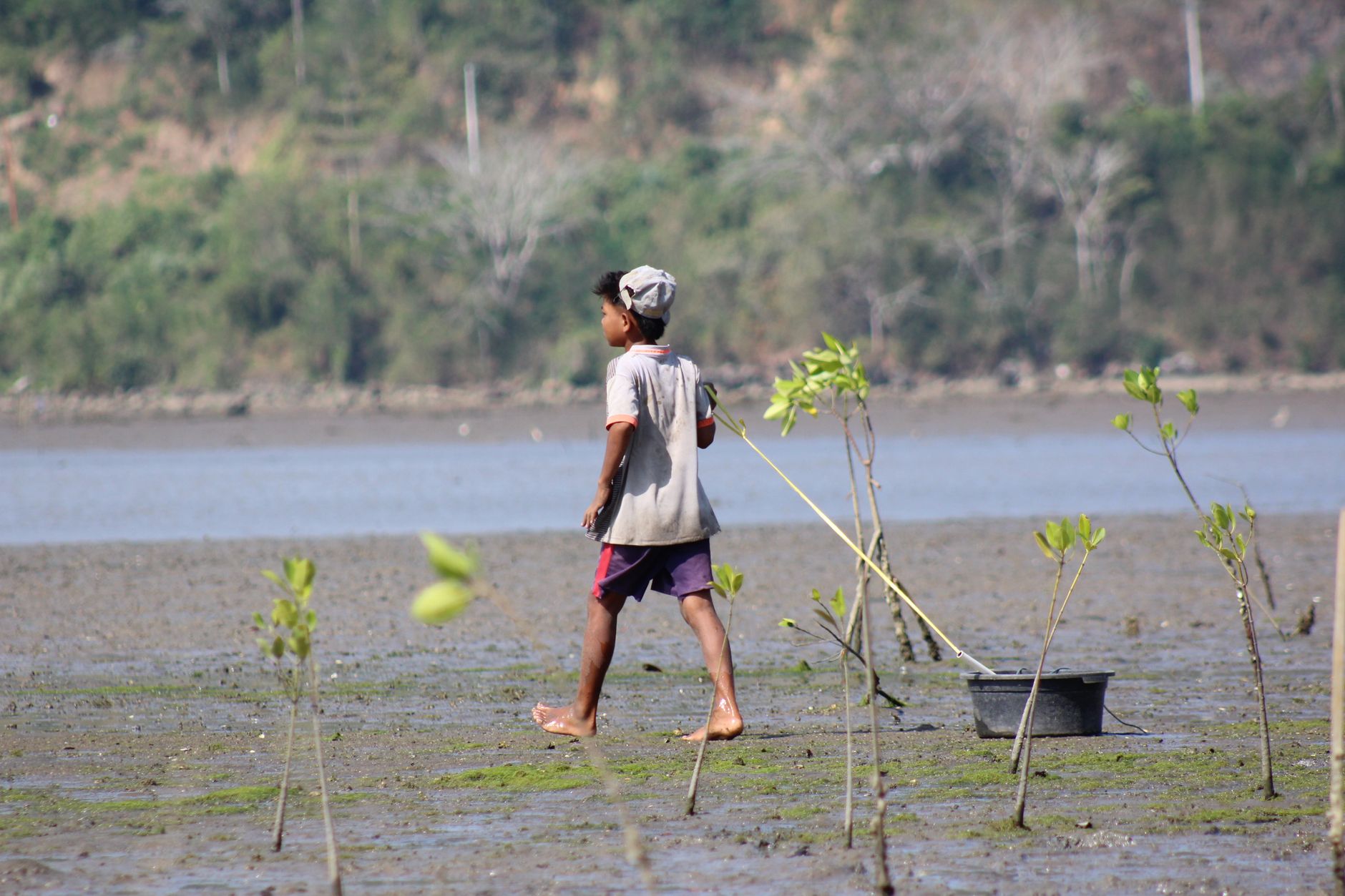
In the shadow of towering mangroves, a quiet revolution is unfurling. Businesses are increasingly investing in mangrove restoration, lured by the dual promise of environmental stewardship and economic return. Yet, as funds pour in and projects proliferate, a crucial question persists: who truly benefits from this burgeoning green economy?
For many coastal communities, the answer is disheartening. While the restoration of mangroves is undeniably crucial for combating climate change and preserving biodiversity, the economic benefits often bypass those living closest to these ecosystems. Instead, local residents frequently find themselves labelled as encroachers, their traditional livelihoods perceived as threats to conservation efforts.
The irony is palpable. Communities that have coexisted with mangroves for generations are now sidelined in favour of corporate interests. The use of advanced technologies, such as satellite data, in restoration projects does bring precision to the process. However, it may also lead to a detachment from the local knowledge and needs of the people who have served as the mangrove's traditional custodians.
A Business Opportunity
The global drive to restore mangroves has ignited a flurry of business interest, with companies recognising the potential for positive public relations and carbon offsetting. Initiatives like CarbonEthics' partnership in mangrove planting illustrate this trend. Yet, as the money rolls in, local communities often see little of it. Scholarships and sustainable planting schemes offer some respite, but they rarely compensate for the loss of traditional livelihoods.
The establishment of projects like the 'Mangrove Memory Archive' highlights an attempt to document local experiences and integrate community insights into restoration efforts. However, these initiatives are not always sufficient to ensure economic inclusion.
The Path Forward
For meaningful change, businesses and environmentalists must prioritise community involvement. This means not only acknowledging the role of local people but actively integrating them into the restoration process. It is imperative to forge partnerships that recognise the value of traditional knowledge and provide tangible economic benefits to those who live amongst the mangroves.
Ultimately, the success of mangrove restoration projects must be measured not just by the number of trees planted or carbon credits earned, but by the extent to which they empower and sustain the communities at their heart. Only then can the promise of a thriving green economy be fully realised.