NASA Unveils 2025 Discoveries from the International Space Station
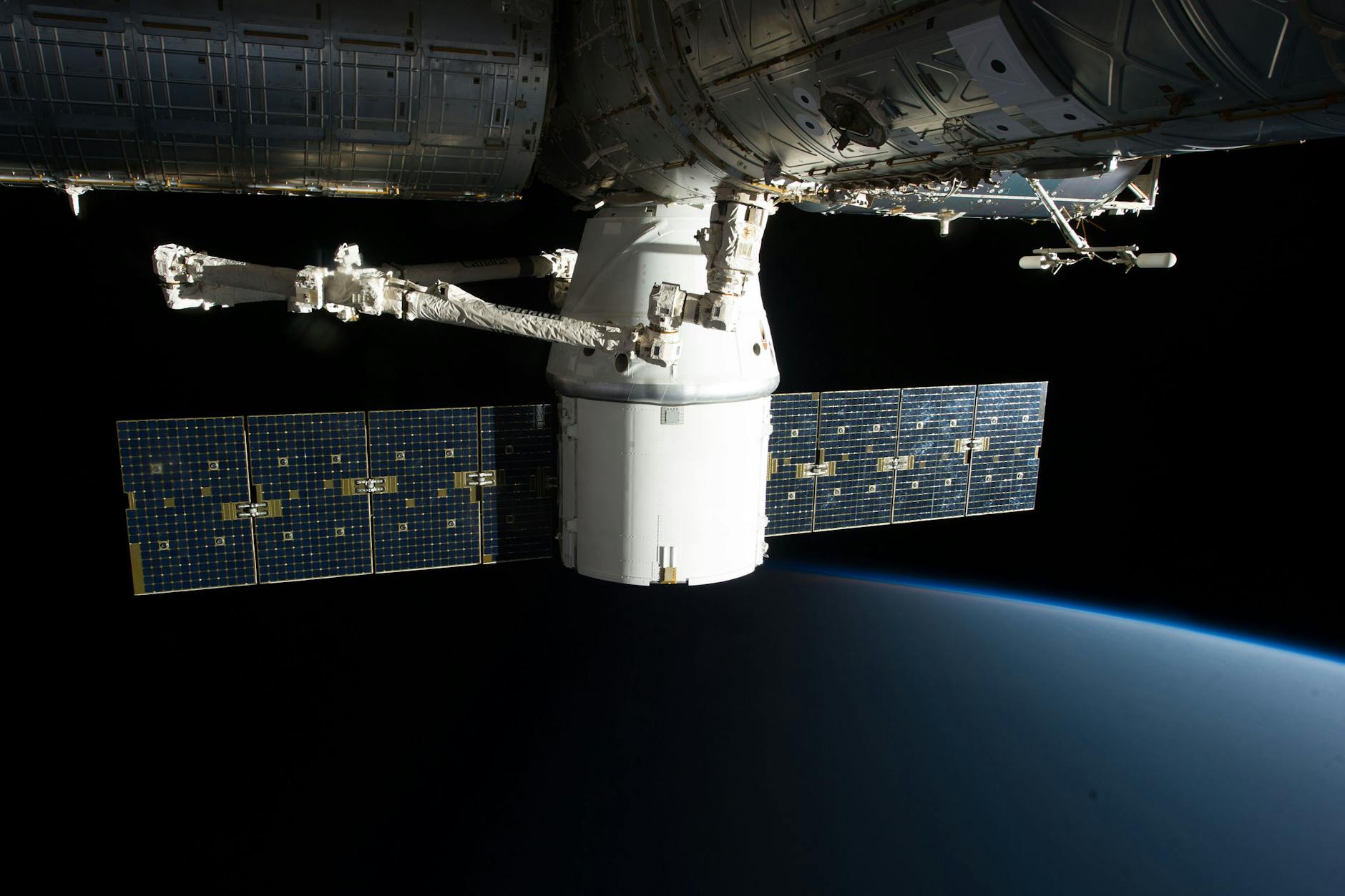
The International Space Station (ISS), an emblem of global collaboration, has once again proven its worth as NASA unveiled the science results for 2025. This year's findings, announced in a comprehensive report, cast a new light on the triumphs and challenges of maintaining human presence in space.
Amidst the backdrop of a rising Space Launch System rocket, the report highlights an array of discoveries made possible by the unique microgravity environment of the ISS. These include advances in the understanding of biological processes and material science, offering insights that could have profound implications for life on Earth and beyond.
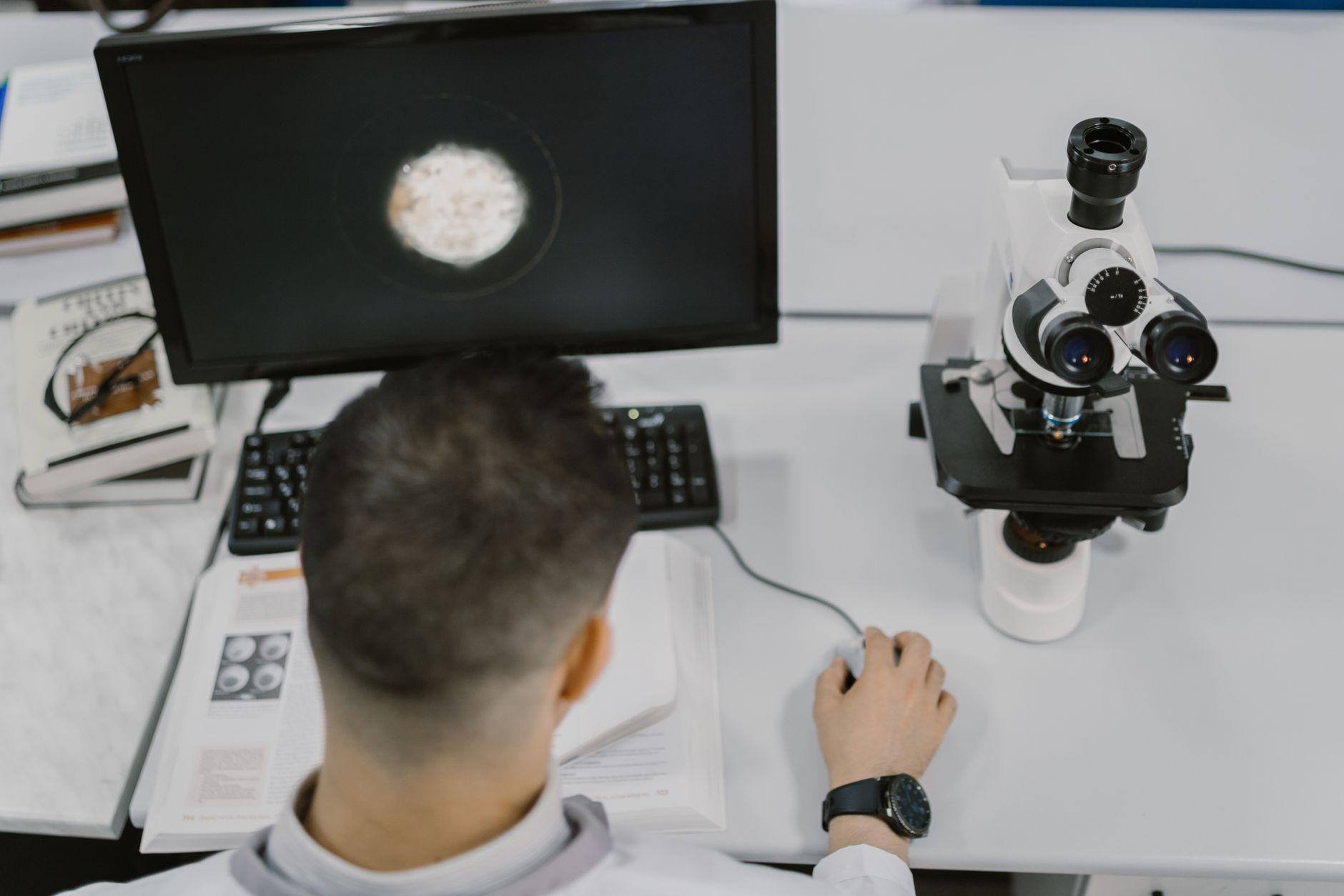
NASA, along with its partners from Roscosmos, ESA, JAXA, and CSA, showcased experiments focusing on cellular growth and the development of new materials, revealing how the absence of gravity can lead to unexpected results. Such discoveries not only advance space science but also promise to enhance medical and technological solutions for terrestrial challenges.
Astronauts' Insights
NASA astronaut Sunita Williams, known for her engaging tours of the ISS, contributed significantly by sharing her experiences of living and working in orbit. Her insights into daily life aboard the station offer a glimpse into the psychological and physical adaptations required for long-term space habitation. These experiences are crucial as agencies plan for future missions to the Moon and Mars.
International Collaboration
The ISS remains a vital hub for international cooperation in space exploration. This year's findings underscore the importance of shared knowledge and resources in tackling the unknowns of the final frontier. As the world looks forward to the next era of space exploration, the ISS continues to be a beacon of what humanity can achieve when united in purpose.
As NASA prepares for future missions, the 2025 ISS science results serve as a reminder of the immense potential that lies beyond our planet. The discoveries made this year are not just a testament to technological prowess but also a call to continue pushing the boundaries of what is possible.