Northern India's Air: A Crisis of Class and Health
The grim reality of northern India's air pollution is etched not just in the smog that chokes its cities but in the staggering statistics that accompany it. Over two million deaths annually are attributed to air pollution, a figure that eclipses numerous global health crises. Yet, it remains an insidious, often overlooked emergency.
This crisis is not merely a seasonal or urban phenomenon. It is systemic, exacerbated by socioeconomic disparities. Those with the means can afford air purifiers and healthcare, while the less fortunate bear the brunt. The Indo-Gangetic Plain, a region historically rich and fertile, now finds itself grappling with pollution levels that rival the worst in the world.
A National Challenge
Efforts to address this have been significant, though the road ahead remains long. The National Clean Air Programme and the Commission for Air Quality Management have laid down a framework for tackling the issue. However, these initiatives must evolve to incorporate cutting-edge science and technology, such as satellite data and airshed-level strategies, to become truly effective.
Pollution in India is no longer just a matter of environmental concern—it's a public health emergency that threatens to render vast swathes of the country uninhabitable. The intertwined challenges of climate change and pollution further complicate the situation, as erratic weather patterns and rising temperatures exacerbate the health impacts.
Socioeconomic Dimensions
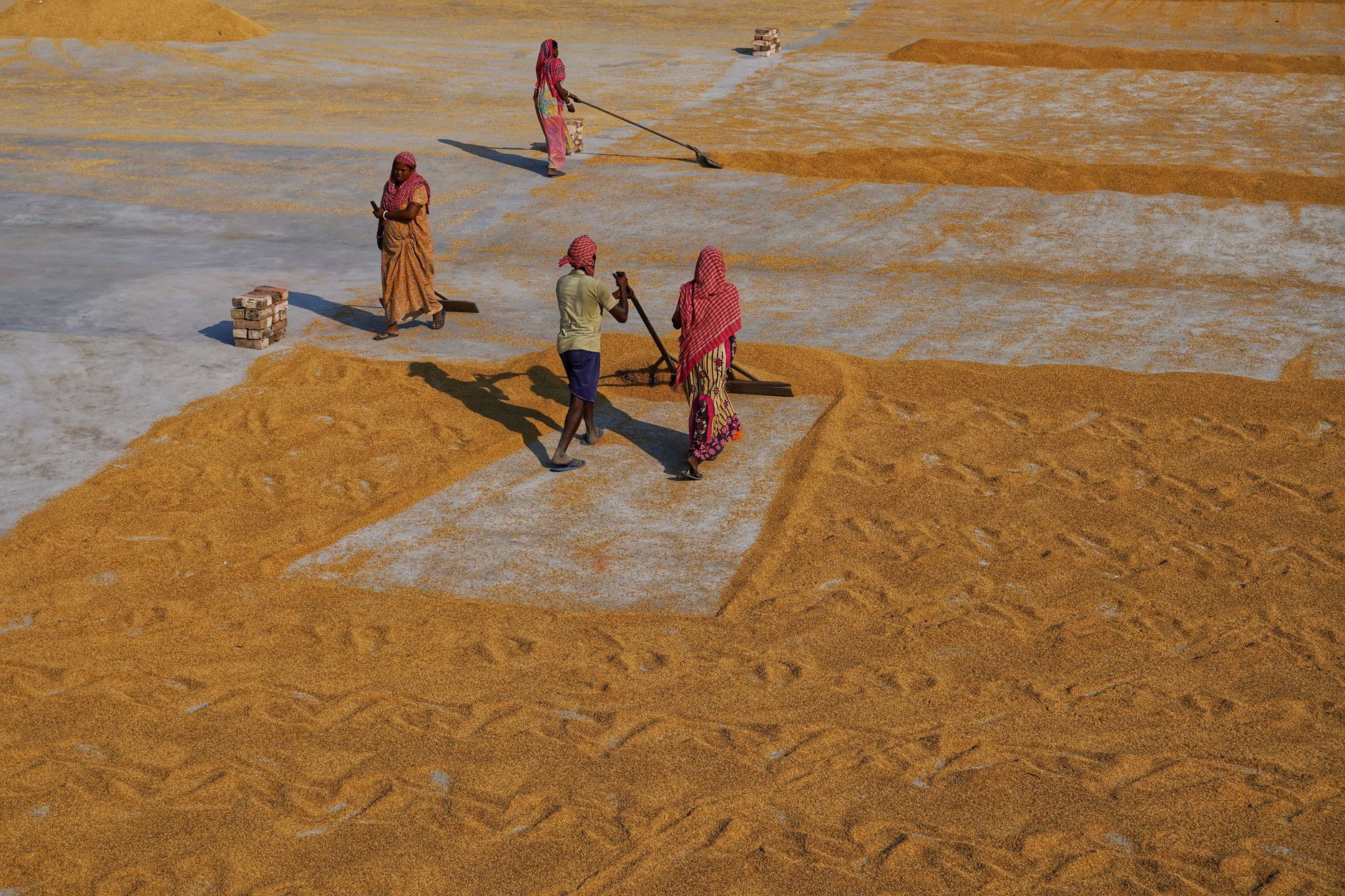
The air crisis is as much about class as it is about health. Wealthier individuals and communities have options—air-conditioned homes, air purifiers, and private healthcare. Meanwhile, the poor often live in more polluted areas, with little access to protection or treatment, exposing them to greater risks.
For meaningful change, policies must be equitable. The solutions should not only aim to reduce pollution but also bridge the gap between different socioeconomic groups. As India marches towards its economic ambitions, it must ensure that its development is not at the expense of the health of its citizens, particularly its most vulnerable.
The human cost of inaction is too great to ignore. As policymakers and citizens alike grapple with this crisis, the air of northern India stands as a stark reminder of the urgent need for comprehensive, inclusive action.