PepsiCo and Monster Battle India’s Energy Drink Label Ban
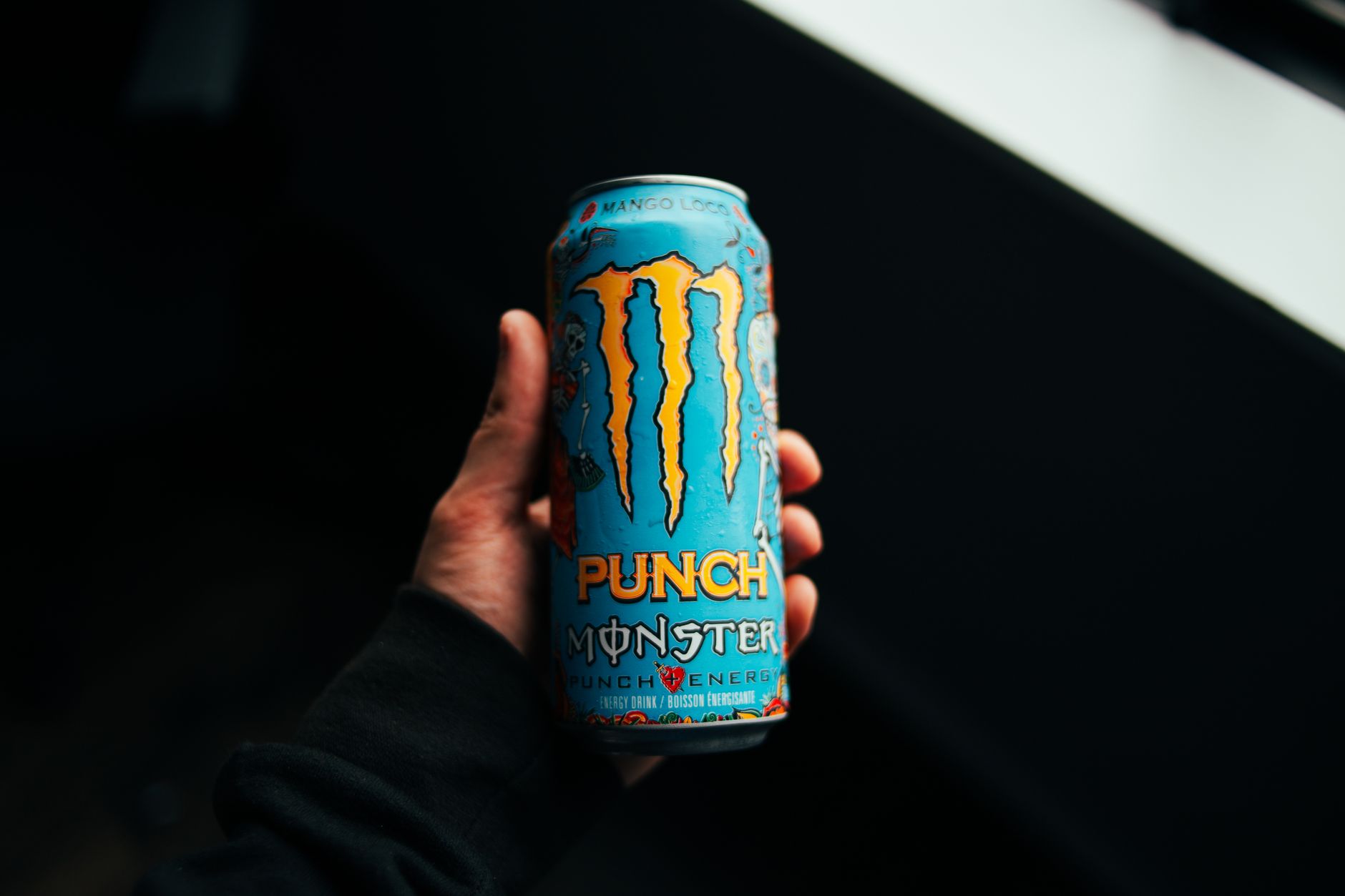
In a dramatic twist in the contentious realm of food and beverage regulations, PepsiCo and Monster Beverage have locked horns with the Food Safety and Standards Authority of India (FSSAI). The giants of the beverage world are challenging a recent directive that prohibits the use of the 'energy drink' label on their high-caffeine products, a move they claim blindsided them and threatens their business model.
Issued on 30th June, the FSSAI's order has sent ripples through the industry, mandating a swift halt to the branding that both companies have heavily relied on. With PepsiCo estimating that 492 million bottles and 26 million cans are affected, the stakes could hardly be higher.
Health Concerns Versus Business Interests
The FSSAI has defended its decision by citing health concerns associated with high-caffeine consumption. The regulatory body argues that the term 'energy drink' could mislead consumers, particularly the young, into underestimating the potential risks. The ban aligns with a growing global scrutiny of such beverages, echoing similar moves in other countries.
However, the beverage giants argue the decision was abrupt and lacked due consultation. PepsiCo and Monster assert that consumer education, rather than outright bans, would be a more balanced approach. They fear the debranding not only affects immediate sales but also damages long-term brand equity.
The Wider Implications
This legal battle underscores a larger narrative where multinational corporations often find themselves at odds with national regulatory frameworks. As India strives to balance public health priorities with economic growth, this case could set a precedent for how foreign businesses operate within its borders.
While the court deliberates, the tension between safeguarding consumer health and fostering an inviting business environment for global companies continues to simmer. How this unfolds will be watched keenly by industry stakeholders and consumer advocates alike.