PepsiCo and Monster Clash with India's Energy Drink Label Ban
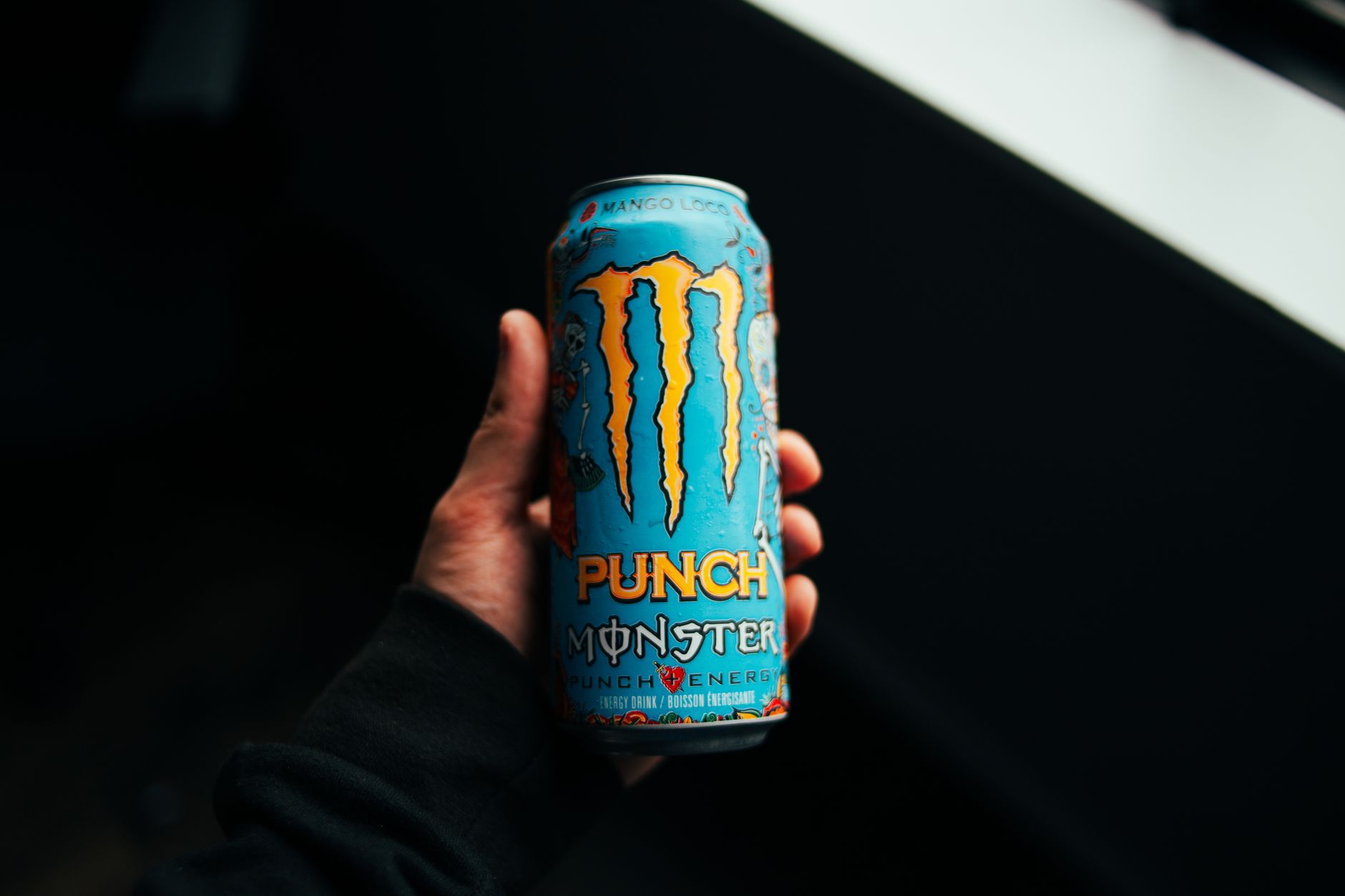
In the bustling corridors of India's burgeoning beverage industry, a new legal battle brews. PepsiCo and Monster Beverage have taken on the Food Safety and Standards Authority of India (FSSAI) over a contentious ban that demands the cessation of the 'energy drink' label on high-caffeine products. This regulatory directive, issued on 30th June, has sent ripples through the sector, prompting these multinational giants to contest the decision in court.
The heart of the dispute lies in the FSSAI's concern over health implications associated with high-caffeine consumables. The authority posits that the term 'energy drink' may mislead consumers, potentially obscuring the health risks tied to excessive caffeine intake. Yet, for PepsiCo and Monster, the ban translates into a commercial quagmire. PepsiCo alone faces the challenge of relabelling 492 million bottles and 26 million cans, a logistical nightmare with hefty financial implications.
As the case unfolds, it underscores the delicate balance between regulatory diligence and corporate interests. India, with its youthful demographic and rapidly expanding middle class, represents a lucrative market for energy drinks. The category has seen impressive growth, driven by urbanisation and changing consumer lifestyles. However, the FSSAI's clampdown reflects a growing global trend towards scrutinising the health impact of sugary and caffeinated beverages.
The Business Impact
For the corporations involved, the ban's timing and execution have raised eyebrows. PepsiCo and Monster argue that the decision was abrupt, with no prior consultation, leaving them in the lurch. The financial stakes are high, not only in terms of immediate losses but also in terms of brand positioning in a competitive market.
Industry experts suggest that the outcome of this legal tussle could set a precedent for how regulatory bodies and businesses interact in India. It also raises questions about the role of consumer awareness and the responsibilities of manufacturers in ensuring product transparency.
What Lies Ahead?
As the court proceedings continue, the broader implications for the beverage industry in India remain to be seen. Will the FSSAI's stance prompt other nations to reconsider their own regulations? Or will it catalyse a shift towards more innovative formulations and marketing strategies by beverage companies?
While the final verdict is awaited, the case serves as a reminder of the complex interplay between health advocacy and commercial ambition, each vying for prominence in the dynamic landscape of modern consumer markets.