PepsiCo and Monster Contest India's Energy Drink Label Ban
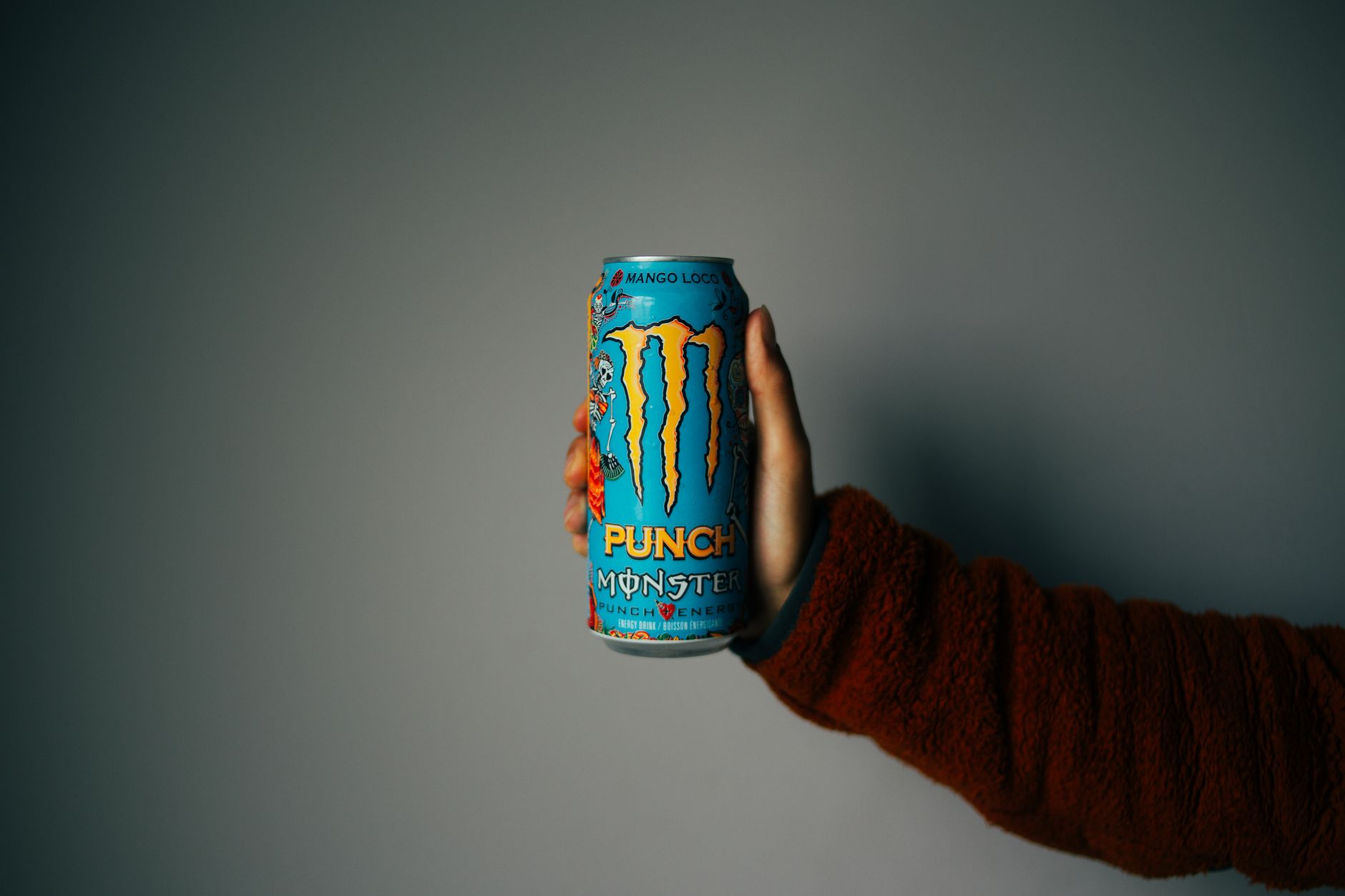
In a courtroom drama set to influence both commercial and regulatory landscapes, PepsiCo and Monster Beverage have launched a legal challenge against the Food Safety and Standards Authority of India (FSSAI). The bone of contention is a directive that prohibits the use of the term 'energy drink' on products laden with caffeine, a decision the companies argue was made without adequate notice and could incur significant financial losses.
The FSSAI's ban, ostensibly rooted in concerns over public health, points to the potential adverse effects of high caffeine consumption. Yet, for giants like PepsiCo and Monster, this is more than just a regulatory hiccup. It represents a direct threat to their market strategy in India, a burgeoning economy with a growing appetite for energy-boosting beverages. According to PepsiCo, nearly 492 million bottles and 26 million cans could be affected by this ruling.
Business Implications
The stakes are high. India, with its vast and youthful consumer base, has become a lucrative market for energy drinks, and companies have been keen to capitalise on this trend. The fear now is that the label ban will not only stifle growth but also tarnish the brands' reputations, making the products seem potentially unsafe or undesirable.
With Red Bull recently securing a court reprieve to continue using the 'energy drink' label, PepsiCo and Monster are hopeful for a similar outcome. They argue that the directive unfairly singles out their products, potentially skewing the competitive landscape.
Regulatory Concerns
The FSSAI, on its part, maintains that consumer safety is paramount. The authority has been increasingly vigilant, scrutinising food and beverage labels to ensure that they do not mislead consumers or encourage unhealthy consumption patterns. While the intention to safeguard health is commendable, the broader economic implications cannot be ignored.
As the legal proceedings unfold, the case will likely serve as a litmus test for how India balances public health priorities with the interests of multinational corporations. The outcome could set a precedent, shaping the future of marketing and labelling in the Indian beverage industry.