PepsiCo and Monster Contest India's 'Energy Drink' Ban
In a remarkable turn of events, beverage titans PepsiCo and Monster Energy have locked horns with India's Food Safety and Standards Authority (FSSAI) over a contentious ban on the use of 'energy drink' labels. The two companies, citing significant business impacts, have taken the matter to court, hoping to reverse the decree that threatens their market dominance.
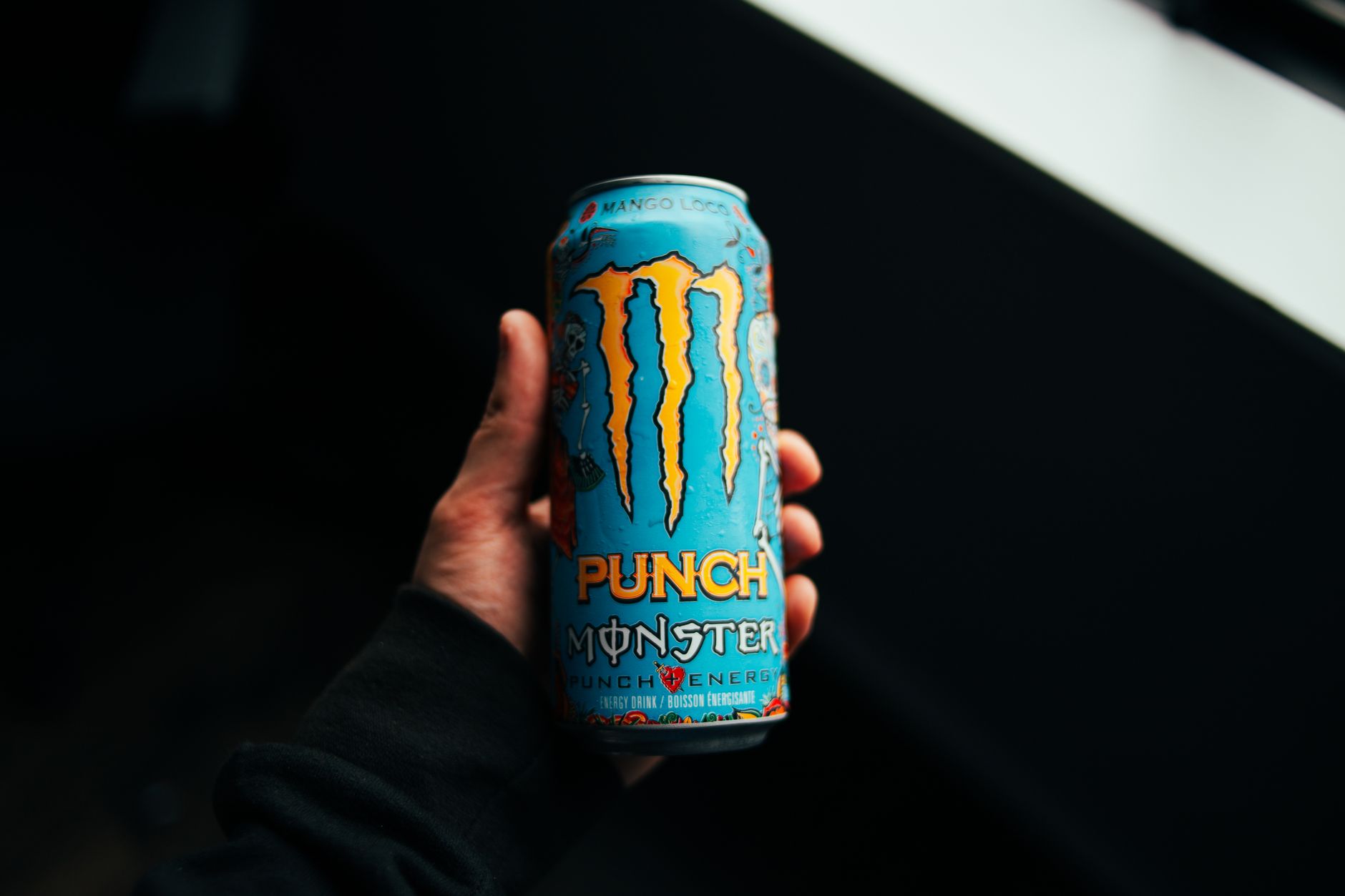
The controversy stems from an FSSAI ruling that restricts high-caffeine beverages from being labelled as 'energy drinks', a classification that has become synonymous with the youthful and dynamic image these brands project. PepsiCo, famous for its Sting brand, and Monster Energy argue that the ban disrupts their business operations, with PepsiCo alone reporting that 492 million bottles and 26 million cans could be affected.
Interestingly, the Delhi court recently quashed a similar order against Austria's Red Bull, responding to concerns about the potential adverse effects on foreign investments. This decision has emboldened PepsiCo and Monster, who see it as a precedent to challenge the FSSAI's stringent regulations.
India's Growing Energy Drink Market
India's energy drink market has been on a steep trajectory since Pepsi launched Sting in 2017. Particularly popular among the 15- to 19-year-old demographic and in rural areas, the market has been buoyed by the affordability of Sting's ₹20 plastic bottles. This growth, however, now faces hurdles as regulatory scrutiny intensifies.
Industry analysts observe that the ban could have broader implications for the sector, potentially stifling innovation and discouraging new entrants. The outcome of this legal battle could set a significant precedent for how energy drinks are marketed and sold in India.
The Stakes for Global Beverages
For global beverage companies, the stakes in this legal tussle are high. A favourable ruling could reinforce their growth strategies in one of the world's fastest-growing markets, while an unfavourable outcome might compel them to rethink their approach.
As the courtroom drama unfolds, the broader question remains: how will regulatory frameworks adapt to the evolving landscape of consumer preferences and global business interests? The answer, it seems, may well reshape the future of the energy drink industry in India.