PepsiCo and Monster Contest India’s Energy Drink Label Ban
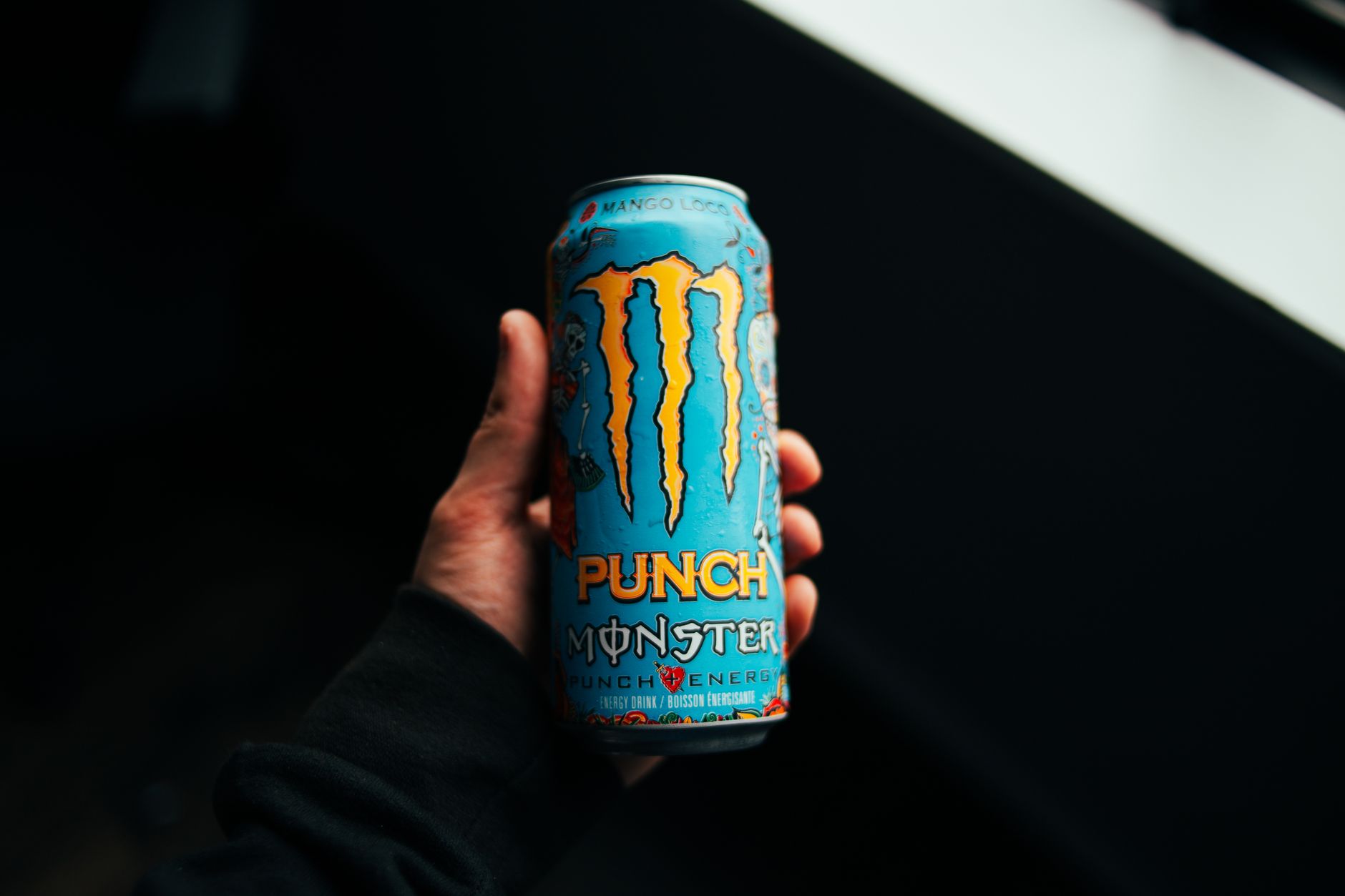
In a move that underscores the growing tension between corporate interests and regulatory frameworks, PepsiCo and Monster Beverage have taken legal action against the Food Safety and Standards Authority of India (FSSAI). The companies are contesting a recent directive that prohibits the use of the term 'energy drink' on their high-caffeine products.
Such a directive, they argue, was issued without prior notice and threatens to disrupt the market for a staggering 492 million bottles and 26 million cans. The FSSAI's decision, motivated by health concerns, reflects a more cautious approach to consumer safety amidst rising global scrutiny of energy drinks.
The Stakes for Big Beverage
For PepsiCo and Monster, the stakes are high. India's burgeoning market presents a lucrative opportunity for energy drinks, which have become increasingly popular among the youth. The ban on the 'energy drink' label could severely impact their marketing strategies and, by extension, their bottom lines. This is not merely a matter of semantics; the label carries significant connotations, directly influencing consumer perceptions and sales.
This legal challenge follows a similar case where Red Bull secured a court reprieve, allowing it to continue using the 'energy drink' label. The outcome of PepsiCo and Monster’s challenge could set a precedent, potentially influencing how the Indian market is regulated in the future.
Balancing Health and Commerce
The FSSAI's directive is part of a broader initiative to regulate food and beverage products more stringently, ensuring consumer health is prioritised. High caffeine content in energy drinks has long been a contentious issue, with critics pointing to potential health risks, especially among adolescents.
While the industry's concerns over business impact are valid, the FSSAI faces the delicate task of balancing these interests with public health mandates. The court’s decision could either reaffirm or challenge the authority of regulatory bodies in the face of global corporate giants.
As legal proceedings unfold, the case will be closely watched by industry stakeholders and consumer health advocates alike, each hoping for a favourable outcome that aligns with their respective priorities.