Researchers Reveal Vitamin D2 Supplement's Unforeseen Drawback
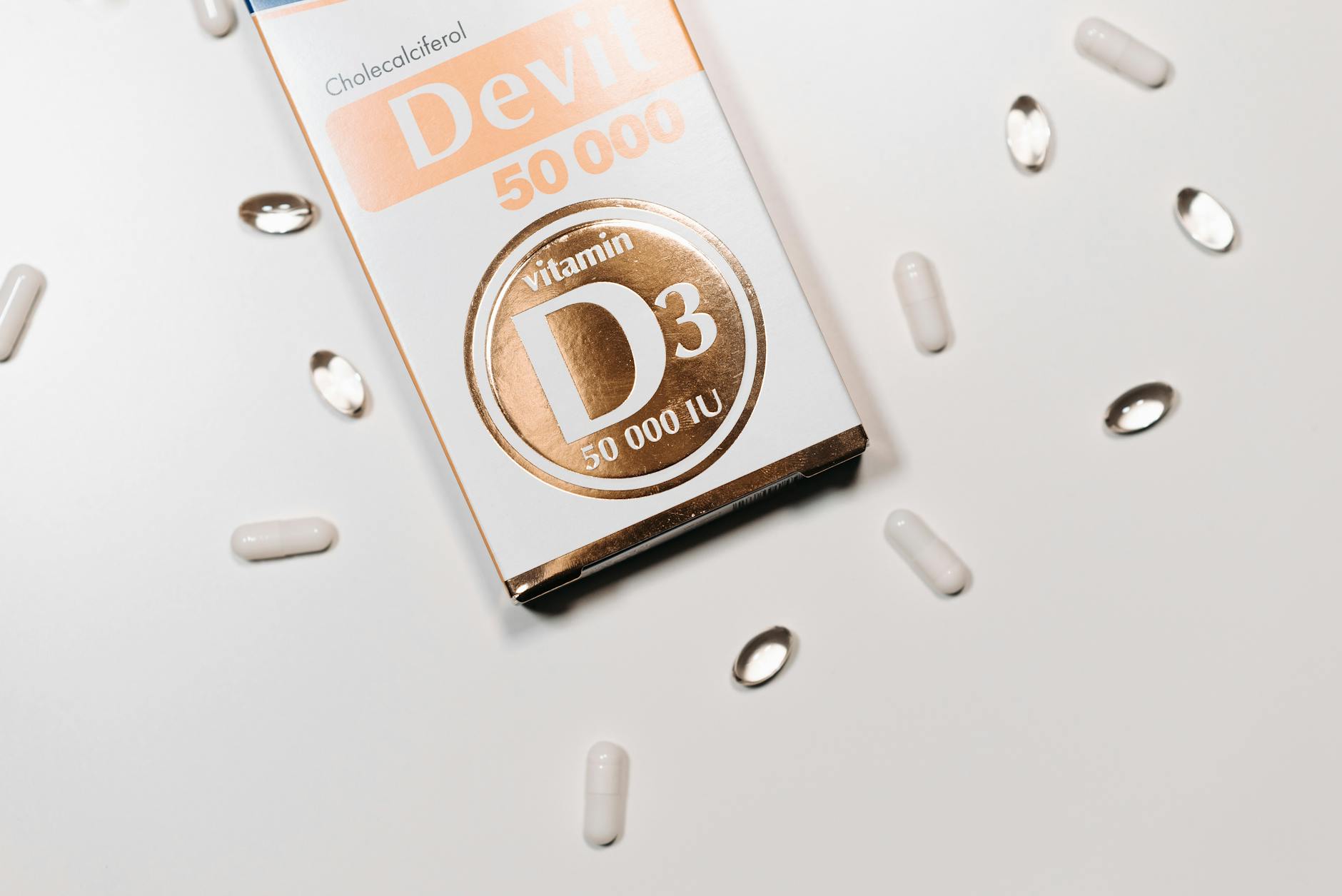
In a twist that underscores the complexities of nutritional science, researchers have uncovered a potential drawback to the widespread use of vitamin D2 supplements. While these supplements have been popularised for their supposed benefits in bolstering the immune system, particularly amid the COVID-19 pandemic, a new study suggests that they may inadvertently reduce levels of vitamin D3, the more potent form of the vitamin.
Vitamin D3, often hailed for its superior ability to enhance vitamin D status and support the immune system, is naturally synthesised in the skin upon exposure to sunlight. In contrast, vitamin D2 is derived from plant sources like mushrooms and fortified foods. The study, funded by the Biotechnology and Biological Sciences Research Council, posits that taking D2 might not be as beneficial as previously thought, especially if it diminishes D3 levels in the body.
A Surprising Discovery
The study's implications could be far-reaching. For years, health professionals have recommended vitamin D supplementation as a means to combat deficiency and support bone health. However, the revelation that D2 might counteract the effects of D3 necessitates a closer examination of supplementation strategies.
Dr. Emily Harris, one of the lead researchers, remarked, "The findings are indeed surprising. We need to consider the balance between these two forms of vitamin D to ensure optimal health benefits." Her team's work emphasises the need for further research to fully understand the interplay between D2 and D3.
Rethinking Supplementation
For consumers, this study serves as a cautionary tale. While the ease of popping a pill for health benefits is tempting, it highlights the necessity of informed choices. As Dr. Harris points out, "It's crucial to look at the type of vitamin D one is taking, especially if the goal is to improve immune function."
In the wake of these findings, health experts might advocate for a shift towards D3 supplements or encourage lifestyle changes that promote natural D3 production, such as spending time in the sun. As we continue to navigate the intricate world of vitamins and supplements, this study is a reminder of the nuanced nature of nutritional science.