Senegal's Health System Struggles as Mother's Plight Reveals Cracks
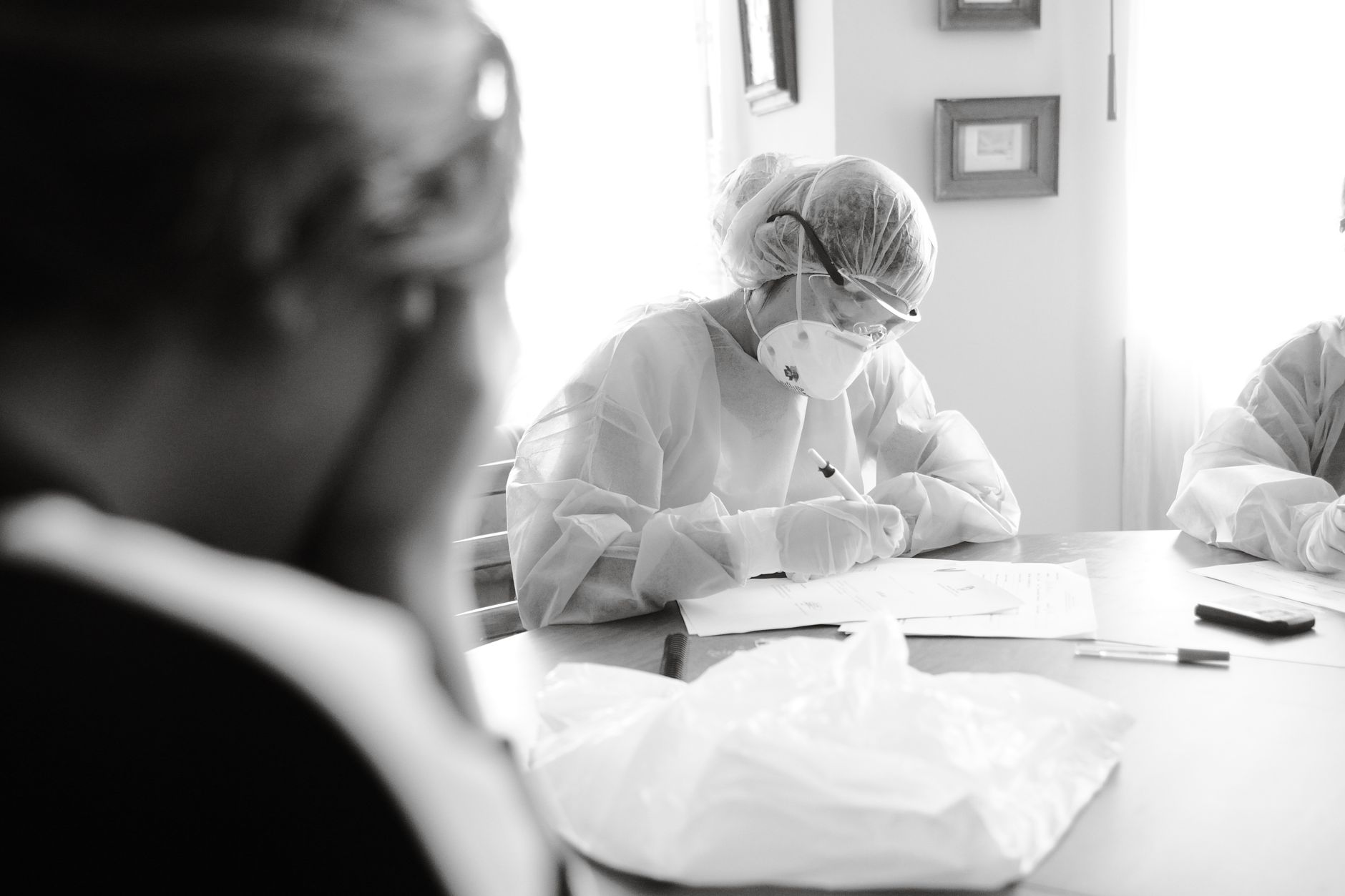
In a small hospital room in Dakar, the capital of Senegal, a mother’s sobering ordeal has become a microcosm of the nation’s strained healthcare system. With limited medical staff and resources, her story of waiting for critical treatment is all too familiar to many Senegalese families. The pressing question remains: how did we get here?
A System Under Pressure
At the close of 2024, Senegal had just over 5,200 registered doctors, with a significant majority serving in the public sector. While this number may seem adequate for a small country, the distribution of these medical professionals is anything but even. Rural areas, in particular, suffer from a palpable shortage, leaving urban centres like Dakar to bear the brunt of the healthcare burden.
The situation is exacerbated by an underfunded health infrastructure. Hospitals and clinics often operate with outdated equipment and insufficient supplies, making it challenging for healthcare workers to provide the level of care required. This mother’s experience, while deeply personal, is emblematic of a systemic issue that affects countless others.
The Human Cost
The consequences of this healthcare strain are profound. For the mother in question, the delay in receiving necessary treatment has had lasting effects on her health, work, and family life. Her story is not an isolated incident but rather a reflection of the broader challenges facing the Senegalese health system.
As the country grapples with these issues, there is a growing call for reforms. From increasing funding for health services to implementing better training programmes for medical staff, the solutions are multifaceted. Yet, the will to implement these changes remains uncertain.
Ultimately, this mother’s ordeal serves as a stark reminder of the human cost of systemic inefficiencies. It is a call to action for both policymakers and the international community to address the underlying issues plaguing Senegal’s healthcare system.