SpaceX Crew-13: A New Chapter in Space Health Research
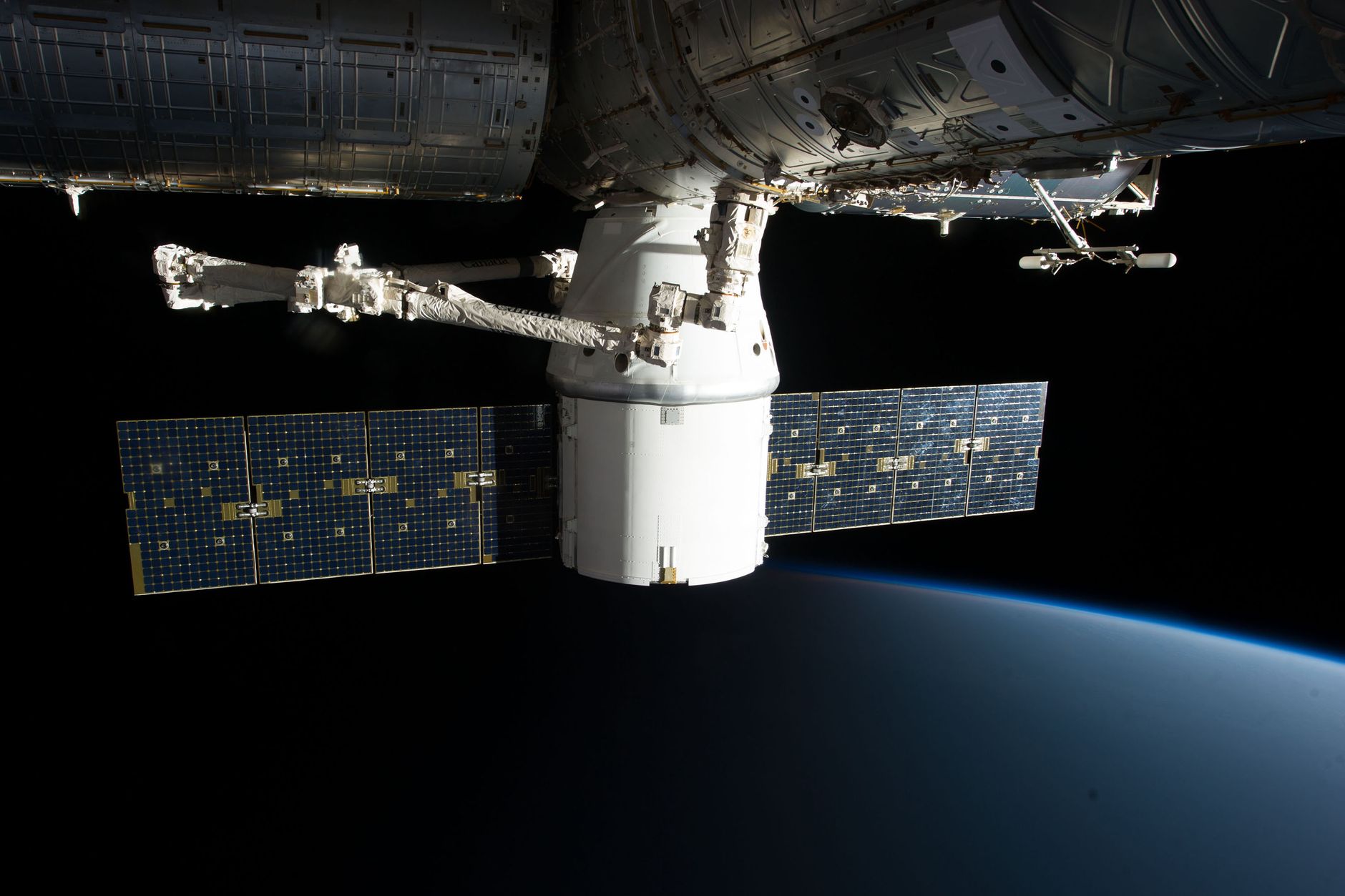
As the sun rises over Florida's Cape Canaveral Space Force Station on 1st October, all eyes will be on the Falcon 9 rocket poised for its next celestial mission. Nestled atop this engineering marvel is the Dragon spacecraft, ready to ferry NASA's SpaceX Crew-13 to the International Space Station (ISS), marking the onset of a crew swap that promises to further the frontiers of space health research.
For astronauts Butch Wilmore and Suni Williams, this mission heralds the end of their nine-month tenure on the ISS. Their return to Earth is eagerly anticipated, not only by their families but also by scientists keen to analyse the physiological changes induced by prolonged space habitation.
A New Era in Space Health
Beyond the logistical manoeuvres of swapping crews, the mission carries a significant scientific agenda. At the heart of Crew-13's objectives is a groundbreaking study on how spaceflight affects blood flow and clotting. In the microgravity environment of the ISS, understanding these processes could unveil critical insights applicable to both astronauts and terrestrial medicine.
Space agencies are acutely aware that the success of future long-duration missions, such as those envisaged to Mars, hinges on our ability to safeguard human health in space. This mission, therefore, is not just about replacing personnel but about expanding the horizons of medical knowledge.
Challenges and Opportunities
Conducting research in space is fraught with challenges. Yet, it is precisely this environment that offers unique opportunities. The absence of Earth's gravity allows scientists to observe physiological phenomena in a new light. The findings from Crew-13's investigations could revolutionise our understanding of cardiovascular health and inform medical interventions on Earth.
As the countdown to launch ticks away, the crew and ground teams are engrossed in final preparations. The significance of their work is not lost on them. It is a testament to human ingenuity and collaboration, a reminder that our quest for knowledge knows no bounds, not even the vast expanse of space.