The Cellular Secret Behind Enlarging Prostates Unveiled
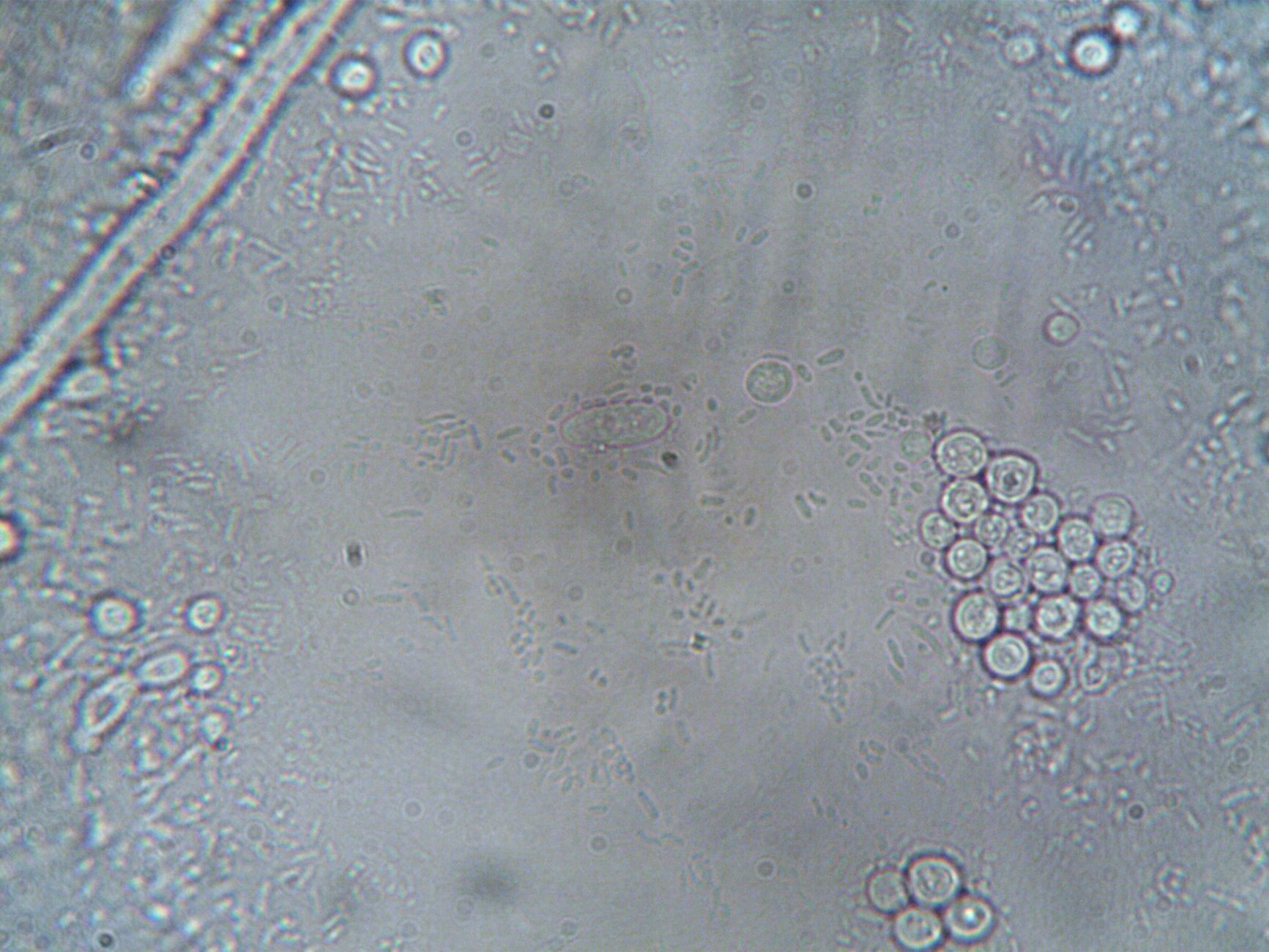
In the quiet corridors of cellular research, a discovery has emerged that promises to illuminate one of the more predictable aspects of male ageing. Scientists have identified a specific population of cells that appear to be the culprits behind benign prostate enlargement, a condition as common in older men as grey hair.
These cells, nestled within the prostate's inner transition zone, have been shown to contribute to the reshaping and enlargement of the gland. This breakthrough provides a new cellular target for understanding and potentially treating benign prostatic hyperplasia (BPH), a condition that, while not cancerous, can significantly impact quality of life.
The Prostate Puzzle
The prostate, a small gland located just below the bladder, plays a crucial role in male reproductive health. As men age, it's not uncommon for the prostate to enlarge, leading to symptoms such as difficulty in urination and increased frequency. This enlargement, known as BPH, affects nearly all men to some degree by the age of 70. However, the drivers behind this growth have remained largely mysterious.
Researchers have now uncovered a 'genomic signature' that distinguishes enlarged prostates from their normal counterparts. Alongside this, the identification of two genes has been linked to the development of BPH, offering promising avenues for future research and potential therapeutic interventions.
A Path Forward
This discovery is not just a triumph of cellular biology but a beacon of hope for millions of ageing men. Understanding the specific cells and genetic markers involved in prostate enlargement could lead to more targeted treatments, reducing the need for invasive surgeries or lifelong medication.
As scientists continue to delve deeper into the molecular workings of the prostate, the hope is to one day alleviate the burden of this condition. In the meantime, this research stands as a testament to the power of scientific inquiry and its ability to unravel the complexities of the human body.
While the road to a complete cure may still be long, this breakthrough marks a significant step in the right direction.