The Price of Pleasure: Cricket and Entertainment Tax Debated in 1926
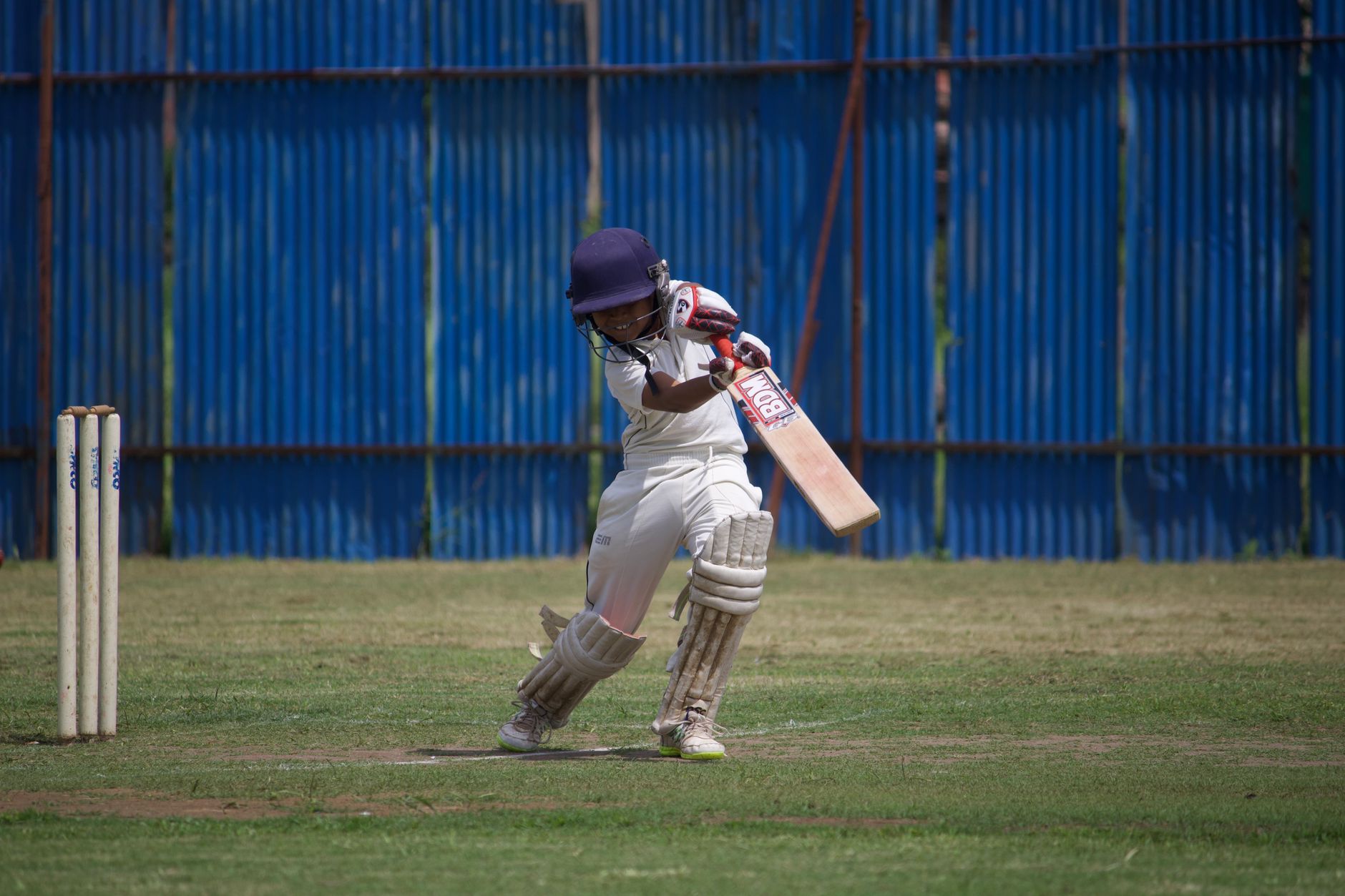
The summer of 1926 was a heady time for cricket aficionados. England had just clinched the Ashes, besting Australia after a tense series that saw four drawn matches before a decisive English victory. Yet, while the cricketing world was abuzz with this sporting triumph, a different kind of fervour was brewing in Poona.
On 21 August, a large gathering of cricket enthusiasts convened at the Deccan Gymkhana. Presiding over this congregation was Mr. L.B. Bhopatkar, M.L.C., who spearheaded a protest against the imposition of an entertainment tax on cricket matches. The tax, argued the attendees, threatened to dampen the burgeoning love for the sport in the region.
Cricket, at the time, was more than just a game; it was a burgeoning cultural phenomenon across the British Empire. The idea of taxing such a beloved pastime was seen by many as an affront. Attendees of the meeting expressed concern that the tax would make cricket less accessible to the general public, particularly at a time when the sport was gaining traction outside its traditional strongholds.
The protest was not just about the financial implications. It was a statement against what was perceived as an overreach by the authorities, placing fiscal priorities over cultural enrichment. Mr. Bhopatkar and his supporters argued that entertainment taxes should not stifle the spirit and joy that cricket brought to its fans.
This debate in Poona was emblematic of a broader struggle between the government's need to generate revenue and the public's desire for affordable leisure activities. While the outcome of this protest remains a footnote in history, it underscores the enduring tensions in balancing state interests with public passion.
As cricket continued to evolve into a global sport, such debates would recur, reflecting the ever-present negotiation between commerce and culture. The events of August 1926 serve as a reminder of a time when the love of cricket brought communities together, not just to watch a match, but to stand for a cause.