The Unseen Battle: Surveillance and Mitigation of Antimicrobial Resistance
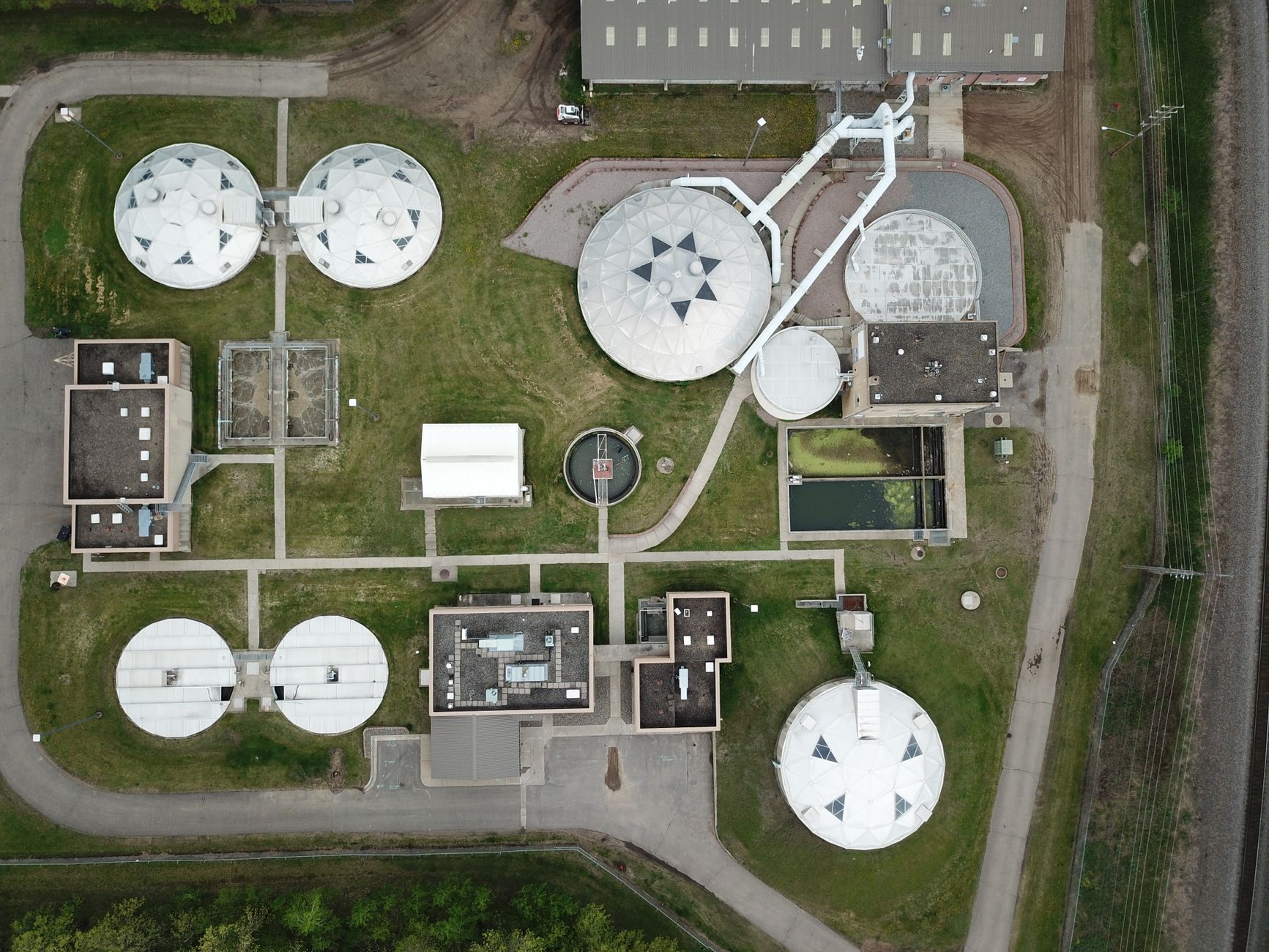
In the quiet corners of our cities and countryside, an invisible war rages on—a battle against antimicrobial resistance (AMR). This insidious threat, which jeopardises both human and animal health, finds unexpected allies in our environmental systems.
Antibiotics, hailed as miracle drugs, have a long history. However, their overuse and misuse have led to an alarming rise in resistant strains of bacteria. These strains often find sanctuary in wastewater-impacted aquatic environments, turning them into reservoirs of antimicrobial-resistant bacteria (ARB) and genes (ARGs).
The Environmental Connection
Wastewater systems have unwittingly become the breeding grounds for these resistant strains. Here, antibiotics and resistant bacteria interact, creating a perfect storm for horizontal gene transfer, a process that amplifies resistance across microbial communities. The result? An environment that not only harbours but also propagates resistance.
This connection between environmental systems and AMR underscores the need for robust surveillance. Scientists and policymakers are increasingly advocating for a One Health approach. This holistic strategy recognises the interconnectedness of human, animal, and environmental health, promoting sustainable practices to mitigate AMR.
Surveillance and Mitigation Strategies
Surveillance plays a crucial role in understanding the spread of AMR within environmental systems. It involves monitoring the presence of ARB and ARGs, assessing the risk they pose, and implementing measures to curb their spread. Mitigation strategies, on the other hand, focus on reducing the impact of AMR through improved waste management, stricter regulations on antibiotic use, and public awareness campaigns.
The fight against AMR is not merely a medical challenge; it is an environmental one as well. As we continue to grapple with this issue, the importance of sustainable, cross-disciplinary approaches cannot be overstated. The future of global health depends on our ability to manage and mitigate the environmental impacts of antimicrobial resistance effectively.