WhatsApp Introduces Charges for Business Messages in India
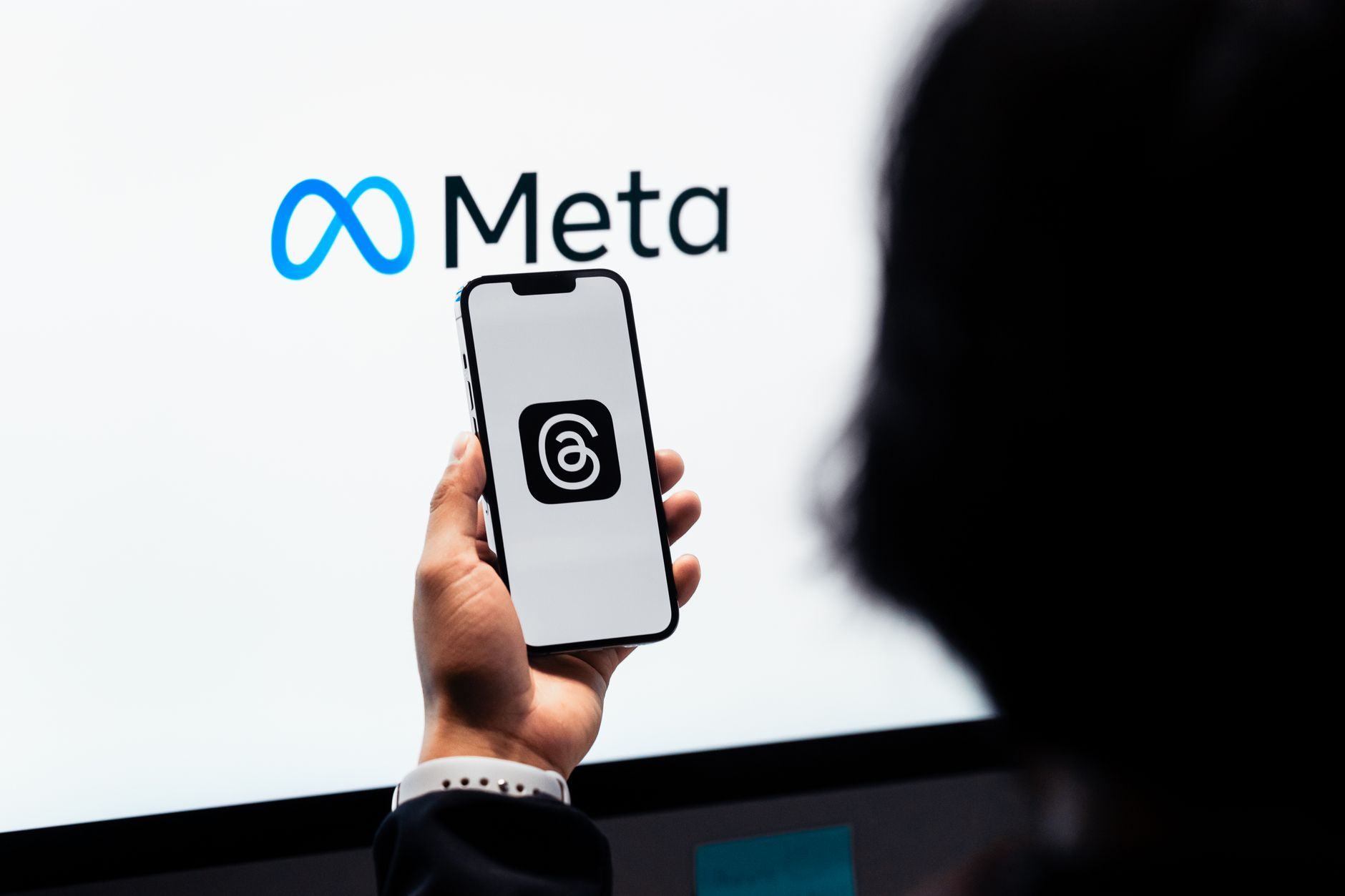
Come October, businesses in India relying on WhatsApp to communicate with customers will need to reconsider their budget allocations. Meta, the tech giant behind WhatsApp, is set to introduce charges for WhatsApp Business messages, ending the era of free service interactions.
Currently, businesses have enjoyed the luxury of sending service and utility messages without incurring costs. However, from the first of October, every service reply and in-window utility message will attract a fee of approximately ₹0.1150, plus the obligatory 18% GST. This move is part of Meta's broader strategy to monetise the platform, which has become an integral part of business-customer engagement.
Why This Matters
For many small and medium-sized enterprises (SMEs), WhatsApp has been a crucial tool for customer service and engagement. The introduction of charges is likely to prompt these businesses to reassess their communication strategies. While larger corporations may absorb these costs with relative ease, smaller businesses might find themselves at a crossroads, potentially facing increased operational expenses or the need to explore alternative communication channels.
The shift in pricing aligns with a global trend where digital platforms are moving away from free services to sustainable business models. While it might be a bitter pill to swallow for some, the change could also drive innovation, as businesses seek more efficient ways to interact with their clientele.
Impact on Business Dynamics
As WhatsApp becomes a paid service for businesses, there is an anticipation of a ripple effect across the digital communication landscape. Companies that have built entire customer service models around WhatsApp will need to integrate these costs into their pricing strategies. It remains to be seen how this will affect consumer prices and overall business profitability.
Meta’s decision underscores a significant shift in how tech companies are approaching monetisation. With over two billion users worldwide, WhatsApp's potential for revenue generation is immense. However, it also raises questions about the future of free digital communication and the evolving nature of customer-business interactions in a digital age.
Only time will tell how businesses adapt, but one thing is certain: the days of free business messaging on WhatsApp are numbered.