WHO Sets Focus on Traditional Medicine for Stroke and Cancer
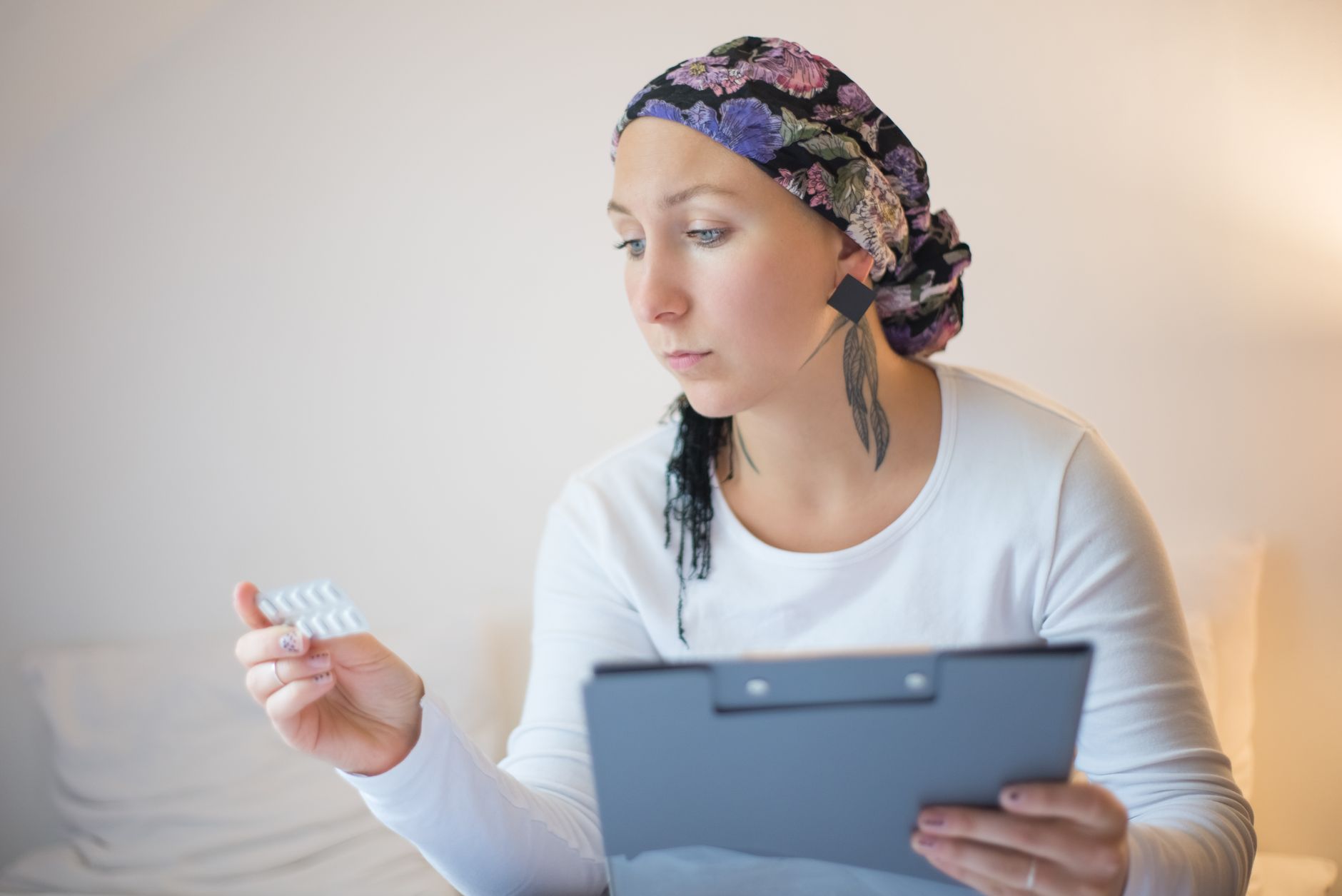
In a move that intends to reshape the global health research landscape, the World Health Organization has placed stroke, cancer, and mental health at the forefront of its 10-year traditional medicine research agenda. This landmark decision aims to address the conspicuous mismatch between the disease burden and current research efforts.
Stroke, a leading cause of death and disability worldwide, has been notoriously under-researched in the realm of traditional medicine, receiving less than one per cent of the focus. The WHO's strategy seeks to rectify this imbalance by promoting traditional, complementary, and integrative medicine (TCIM) as viable supplemental approaches in healthcare.
Bridging the Gap
The WHO Traditional Medicine Strategy 2025–2034 is not merely about increasing research funding. It's about envisioning a world where everyone, regardless of their socio-economic status, has access to people-centred TCIM. By integrating traditional approaches with modern science, the WHO hopes to elevate the standard of health and well-being universally.
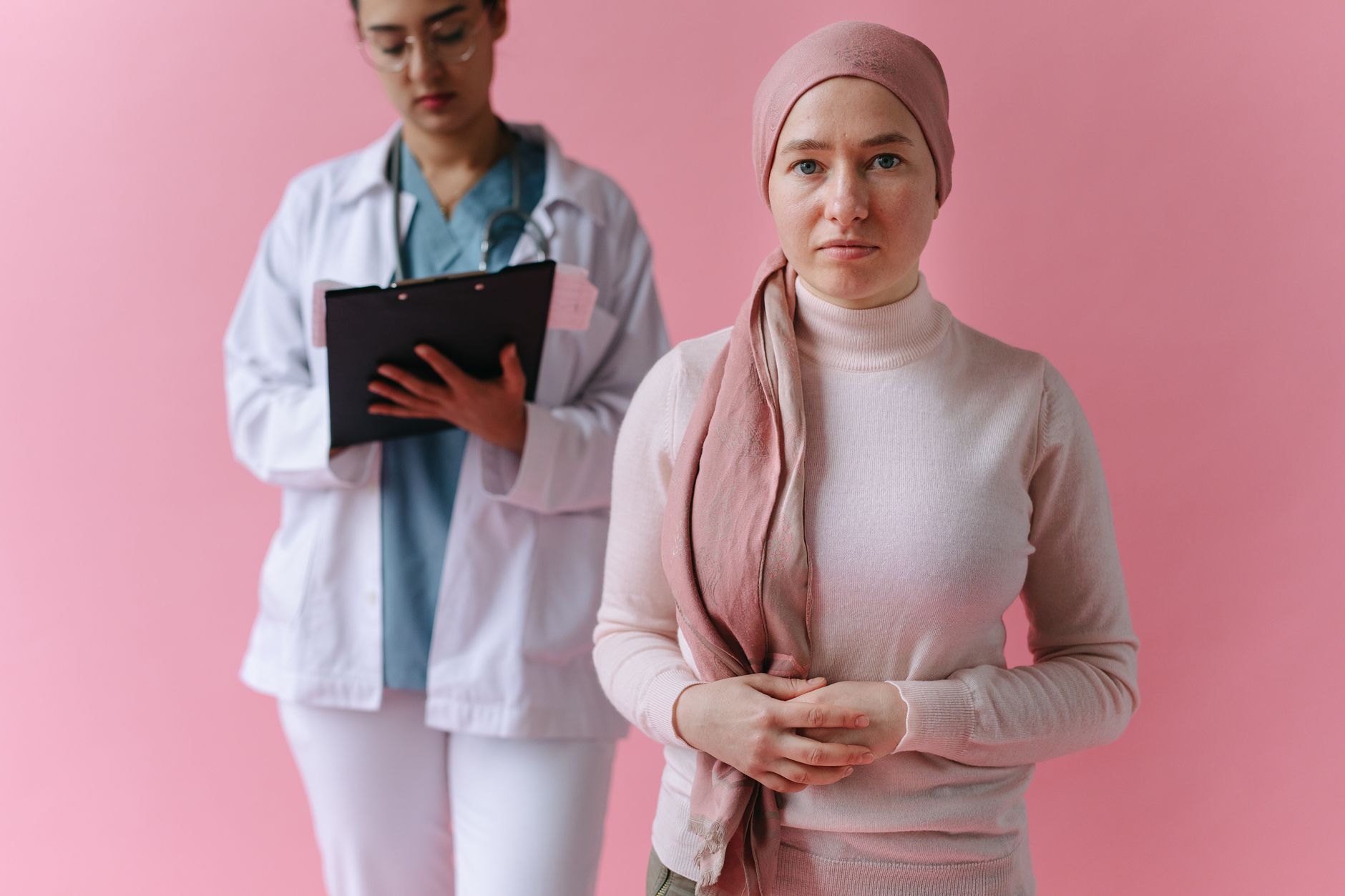
Alongside the focus on stroke, cancer remains a critical area of concern. Traditional medicine's potential to support cancer therapies could offer transformative benefits, aligning with the broader goals of global health equity. Mental health, too, often shrouded in stigma, is receiving much-needed attention. The strategy underscores the importance of understanding mental health problems at their roots, advocating for research that could provide culturally sensitive interventions.
A Holistic Vision
The WHO's agenda is not limited to specific diseases but extends to cover prevention and health promotion, healthy ageing, and childhood well-being. This holistic vision reflects a commitment to fostering a health system that is inclusive and anticipatory. As the world grapples with complex health challenges, this initiative is a timely reminder of the value of diverse medicinal practices.
By setting a decade-long agenda, the WHO underscores the urgency of addressing pressing health issues through a more inclusive lens. It's a call to action for countries to integrate traditional medicine into their national health strategies, ensuring that every individual benefits from the fruits of both ancient wisdom and modern innovation.