Why Four Litres of Water Won't Cleanse Your Kidneys
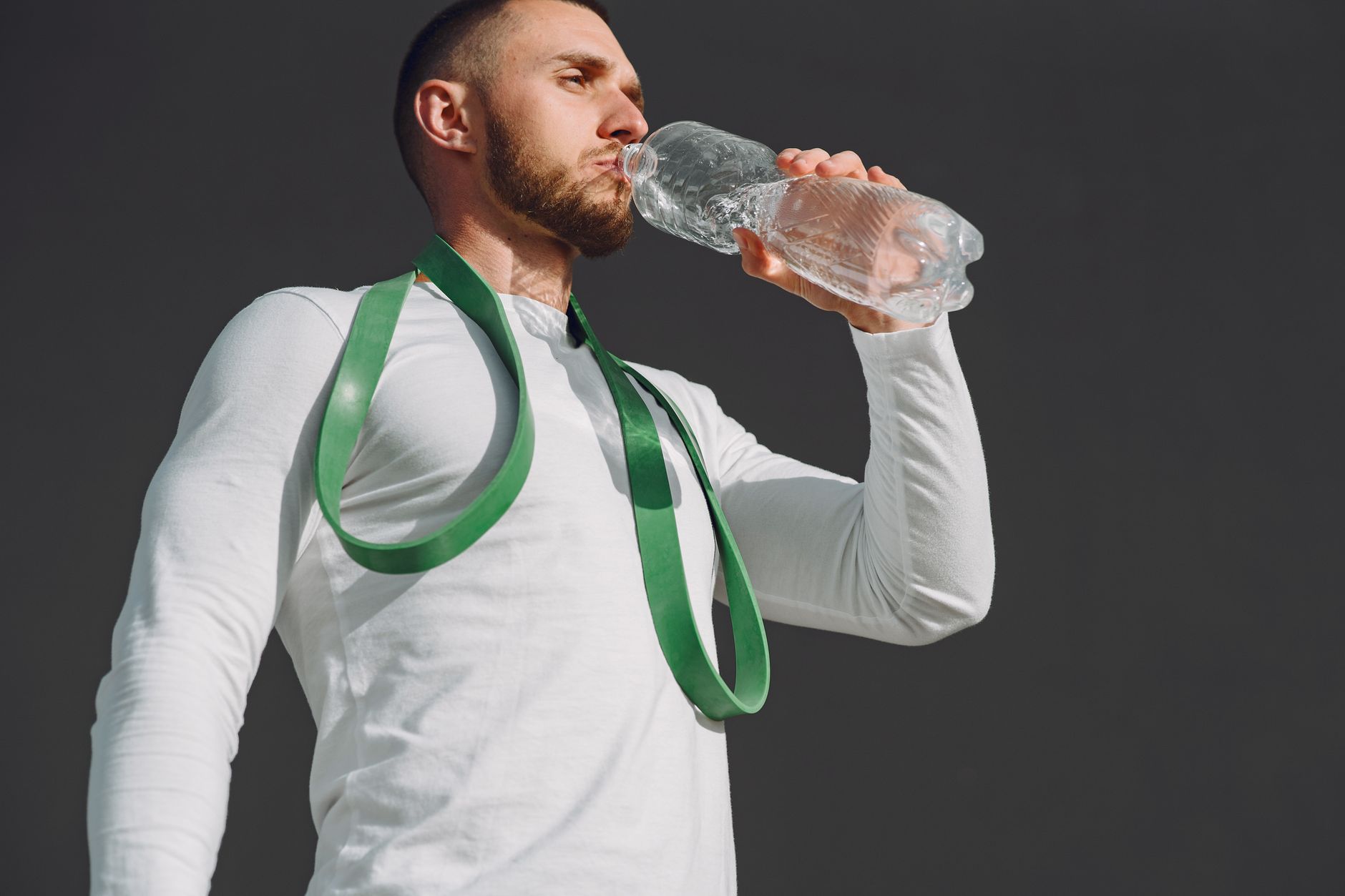
In an era where wellness tips proliferate online, a common refrain is to drink copious amounts of water for optimal health. Yet, experts warn that consuming 4–5 litres daily is not the miracle cure for kidney health it's often purported to be.
Dr Arun Patel, a leading nephrologist, explains that while hydration is indeed crucial, the needs of each individual can vary significantly. "Your kidneys are incredibly efficient at filtering waste, provided you're drinking enough to stay hydrated," he notes. However, he cautions that excessive water intake can lead to fluid overload, diluting essential electrolytes and potentially causing harm.
The Myth of Over-Hydration
The notion that more water equals better health is a simplistic one, Patel asserts. "Your body requires a balance," he says. For most healthy adults, 2 to 3 litres of fluid a day suffices to support kidney function. Those consuming less than 2 litres have a higher prevalence of chronic kidney disease.
Conversely, drinking over 3 litres has shown to slow the rate of kidney decline, but there's a tipping point. "Drinking excessively doesn’t cleanse your kidneys but strains them," Patel adds, highlighting that the kidneys' capacity to self-cleanse is already robust provided proper hydration is maintained.
Understanding Your Body's Needs
Understanding one's own hydration needs is key. Factors such as climate, activity level, and diet play a role. A person in a hot, dry climate who exercises frequently might need more water than someone living in a cooler environment.
"Listen to your body," advises Patel. Thirst is a natural indicator of hydration needs, though it should not be the sole measure. Monitoring urine colour can also be a good barometer; pale yellow typically indicates adequate hydration.
Ultimately, maintaining kidney health is about balance and moderation. While drinking water is essential, it should be part of an overall lifestyle that includes a balanced diet and regular check-ups.